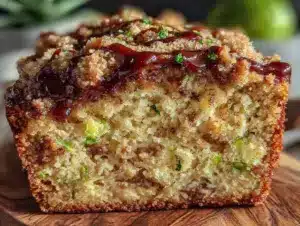
“Are you sure these are vegan?” my partner asked, eyeing the plate of freshly baked lemon poppy seed muffins with a skeptical grin. Honestly, I wasn’t sure myself the first time I whipped them up. I had been fiddling with muffin recipes for what felt like forever — some too dry, others too dense, and most lacking that zing I craved. One morning, I was running late, half-asleep, and grabbed whatever vegan staples I had on hand. I squeezed in fresh lemon juice, tossed in poppy seeds, and made a quick glaze with powdered sugar and zest. The result? Muffins that managed to be light, bright, and just a little bit addictive.
There’s something about that early morning quiet—the hum of the coffee maker, the soft sun slipping through the window—that makes these muffins feel like a small celebration. They’re perfect when you want a breakfast that’s fuss-free but still feels special. And that zesty glaze? It’s the kind of sweet-tart finish that wakes up your taste buds without overwhelming the delicate crumb.
Truth be told, these easy vegan lemon poppy seed muffins with zesty glaze have become my go-to for those rushed mornings and casual brunches alike. No complicated ingredients, no long prep—just a recipe that sticks around because it tastes like a little slice of sunshine. I think you’ll find the same quiet comfort in them, too.
Why You’ll Love This Recipe
This recipe has been tested and tweaked over many weekends and early mornings, and it’s now a family-approved favorite that I’m excited to share with you. Here’s why it stands out:
- Quick & Easy: Ready in under 35 minutes, these muffins are perfect for busy mornings or last-minute guests.
- Simple Ingredients: No need for fancy specialty items—most are pantry staples like flour, baking powder, and lemon zest.
- Perfect for Breakfast or Brunch: The bright lemon flavor pairs beautifully with coffee or tea and works well for casual get-togethers.
- Crowd-Pleaser: Vegan or not, these muffins get rave reviews from everyone who tries them—kids included.
- Unbelievably Delicious: The poppy seeds add a subtle crunch, and the zesty glaze adds a refreshing finish that feels just right—not too sweet, not too tart.
What really sets this recipe apart is the balance it strikes. I’ve tried versions with too much lemon oil or too little glaze, but this one nails the flavor harmony. Plus, the technique of mixing wet and dry ingredients just until combined keeps the crumb tender without being gummy. Honestly, it’s the kind of recipe that makes you close your eyes after the first bite and think, “Yep, I nailed this.”
Whether you’re looking to impress guests with minimal effort or simply want a reliable breakfast treat, these muffins bring a touch of brightness and ease to your kitchen.
What Ingredients You Will Need
This recipe uses simple, wholesome ingredients to deliver bold flavor and satisfying texture without the fuss. Most are pantry staples you likely already have, but I’ll point out a few tips along the way.
- All-purpose flour (1 ¾ cups / 220 g): The base of the muffin, providing structure. You can swap for whole wheat pastry flour for a nuttier taste but keep an eye on moisture.
- Baking powder (2 tsp): Helps the muffins rise and become fluffy.
- Baking soda (½ tsp): Works with the acidity from lemon juice to give a light crumb.
- Salt (¼ tsp): Enhances all the flavors.
- Granulated sugar (¾ cup / 150 g): Sweetens the muffins without overwhelming the lemon.
- Unsweetened plant-based milk (1 cup / 240 ml): I usually use almond or oat milk. Both work well and add subtle flavor.
- Neutral oil (⅓ cup / 80 ml): I prefer avocado oil or refined coconut oil for a clean taste.
- Fresh lemon juice (¼ cup / 60 ml): The star of the show—adds brightness and tang.
- Lemon zest (1 tbsp): Use a microplane to get just the yellow part; it packs a punch!
- Vanilla extract (1 tsp): Rounds out the flavor.
- Poppy seeds (2 tbsp): Adds that classic crunch and subtle nuttiness.
- Powdered sugar (¾ cup / 90 g) for the glaze: Mix with lemon juice and zest for a zesty glaze that’s just the right touch.
For substitutions, almond flour can be used for a gluten-free option, but you’ll want to add a binder like flaxseed meal. If you need a dairy-free glaze, swap out the powdered sugar for coconut sugar powder or a drizzle of maple syrup with lemon zest. I usually pick organic lemons for the zest to avoid any waxy residues, and if you have access to freshly ground poppy seeds, that’s a neat upgrade in flavor.
Equipment Needed
- Muffin tin: A standard 12-cup muffin pan works perfectly. If you don’t have one, silicone muffin molds are a great non-stick alternative.
- Muffin liners: Optional but helpful for easy cleanup and preventing sticking.
- Mixing bowls: One for wet ingredients, one for dry—using separate bowls helps avoid overmixing.
- Whisk and spatula: A whisk for combining wet ingredients and a rubber spatula to fold batter gently.
- Microplane zester: For zesting lemons finely without the bitter white pith.
- Measuring cups and spoons: Accurate measurements help with consistency.
- Cooling rack: To cool muffins evenly and prevent sogginess.
If you’re on a budget, I recommend checking thrift stores for muffin tins—sometimes you find gems that bake just as well as high-end pans. I once tried making these muffins in a silicone mini muffin mold, and while they were cute, the baking time needed adjustment (about 5 minutes less). So keep an eye on your oven if you stray from the standard size.
Preparation Method

- Preheat your oven to 375°F (190°C). Grease your muffin tin or line it with muffin liners. This step is key to avoid sticking.
- Mix dry ingredients. In a large bowl, whisk together 1 ¾ cups (220 g) all-purpose flour, 2 teaspoons baking powder, ½ teaspoon baking soda, ¼ teaspoon salt, and 2 tablespoons poppy seeds. Make sure they are evenly combined to distribute the leavening agents.
- Combine wet ingredients. In a separate bowl, whisk ¾ cup (150 g) granulated sugar, 1 cup (240 ml) unsweetened plant milk, ⅓ cup (80 ml) neutral oil, ¼ cup (60 ml) fresh lemon juice, 1 tablespoon lemon zest, and 1 teaspoon vanilla extract until smooth.
- Bring wet and dry together. Pour the wet ingredients into the dry. Use a rubber spatula to fold gently until just combined—don’t overmix! The batter should be a bit lumpy but well incorporated. Overmixing can make muffins tough.
- Fill muffin cups. Spoon batter evenly into the 12 cups, filling about ¾ full. This helps them rise nicely without overflowing.
- Bake for 18-22 minutes. Check doneness by inserting a toothpick in the center; it should come out clean or with a few moist crumbs. Ovens vary, so start checking at 18 minutes.
- Cool in pan 5 minutes. Let muffins rest briefly before transferring to a cooling rack to finish cooling. This prevents sogginess from steam trapped underneath.
- Prepare the zesty glaze. In a small bowl, whisk ¾ cup (90 g) powdered sugar with 2 tablespoons fresh lemon juice and 1 teaspoon lemon zest until smooth. The glaze should be pourable but thick enough to coat.
- Glaze the muffins. Once muffins are cool, drizzle or spoon the glaze over the tops. You can add an extra sprinkle of lemon zest or poppy seeds for presentation.
- Let glaze set. Allow the glaze to firm up at room temperature for 10-15 minutes before serving.
A quick tip: if your lemons are particularly juicy, you might want to reduce the lemon juice slightly in the batter to avoid a soggy texture. Also, if you find your muffins browning too quickly on top, tent loosely with foil halfway through baking.
Cooking Tips & Techniques
Getting these muffins just right took a few rounds of trial and error, so here’s what I’ve learned:
- Don’t overmix the batter. This is classic muffin wisdom—stir until ingredients are combined but stop as soon as you don’t see dry flour. Overmixing makes muffins dense or rubbery.
- Use fresh lemon zest and juice. The bright, fresh citrus flavor comes through best when you zest and juice lemons right before baking. Bottled lemon juice just won’t cut it here.
- Room temperature ingredients help. Using plant milk and oil at room temp blends more smoothly, avoiding clumps and uneven texture.
- Measure flour properly. Spoon flour lightly into your measuring cup and level it off—don’t scoop directly with the cup, or you’ll end up with too much flour and dry muffins.
- Glaze timing matters. Don’t glaze the muffins while they’re warm, or the glaze will melt and run off. Wait until completely cool for a neat finish.
- Multitask smartly. While the muffins bake, whisk together the glaze ingredients so you’re ready to drizzle as soon as they cool.
One time, I forgot to add the baking soda—muffins turned out flat and dense. Lesson learned: those little leavening details make all the difference. Also, I like to use a silicone spatula for folding because it scrapes the bowl edges well without overworking the batter.
Variations & Adaptations
This recipe is flexible and forgiving, so you can tweak it to suit your tastes or dietary needs:
- Gluten-Free Version: Swap the all-purpose flour with a 1:1 gluten-free baking flour blend. Add 1 tsp xanthan gum if your blend doesn’t contain it for better structure.
- Blueberry Lemon Poppy Seed Muffins: Fold in ½ cup fresh or frozen blueberries to the batter. They add bursts of juiciness and complement the lemon beautifully.
- Less Sweet Option: Reduce sugar to ½ cup (100 g) and use a simple lemon glaze without powdered sugar, just lemon juice drizzled lightly on top.
- Oil-Free Alternative: Replace oil with ⅓ cup unsweetened applesauce; muffins will be a bit denser but still moist.
Personally, I once tried adding a teaspoon of finely grated ginger to the batter for a spicy note, which was surprisingly good. Also, if you want to bake these in mini muffin tins, reduce baking time to about 12-15 minutes and watch closely.
Serving & Storage Suggestions
Serve these easy vegan lemon poppy seed muffins warm or at room temperature. They’re lovely alongside a cup of herbal tea or your favorite coffee brew.
For a brunch spread, they pair nicely with fresh fruit salad or a creamy vegan spread like the festive cranberry cream cheese spread to add richness and contrast.
Store muffins in an airtight container at room temperature for up to 2 days. For longer storage, freeze them wrapped individually in plastic wrap and foil, then thaw at room temperature or warm in a toaster oven.
Reheat gently in a microwave for 15-20 seconds or in a 300°F (150°C) oven for 5-7 minutes to regain that fresh-baked softness. I find the flavors actually deepen after a day, so leftovers are never a bad idea!
Nutritional Information & Benefits
Each muffin (based on 12 servings) offers approximately:
| Nutrient | Amount |
|---|---|
| Calories | 180 kcal |
| Fat | 7 g |
| Carbohydrates | 27 g |
| Fiber | 1.5 g |
| Protein | 2 g |
Lemons provide vitamin C and antioxidants, while poppy seeds add a subtle crunch along with small amounts of calcium and iron. Choosing plant-based milk and oil keeps the recipe dairy-free, making it suitable for vegans and those with lactose intolerance.
For those avoiding gluten, the suggested substitutions open up this recipe to gluten-free diets as well. Just be mindful of cross-contamination if you have severe allergies.
Conclusion
So, if you’re after a breakfast muffin that’s bright, tender, and vegan-friendly without any complicated steps, these easy vegan lemon poppy seed muffins with zesty glaze might just become your go-to. They’re adaptable, quick, and carry that fresh-squeezed lemon brightness that makes mornings feel a little more special.
I love how this recipe balances simple ingredients with bold flavor, and the glaze adds a playful touch that’s just enough without being cloying. Plus, they’re perfect for sharing—whether that’s with your family or a casual brunch crowd.
Feel free to tweak the zest or try adding some fresh berries as I mentioned, and if you try your hand at these muffins, drop a comment below or share your favorite variations. There’s something satisfying about swapping notes on recipes that just work.
Here’s to many cozy mornings filled with the scent of lemon and poppy seeds—happy baking!
Frequently Asked Questions
Are these muffins truly vegan?
Yes! This recipe uses no animal products. The plant-based milk and oil replace dairy, and there are no eggs or honey involved.
Can I use bottled lemon juice instead of fresh?
Fresh lemon juice is best for flavor and acidity, but in a pinch, bottled lemon juice works. Just reduce the amount slightly to avoid a bitter taste.
How do I prevent the muffins from sticking to the pan?
Using muffin liners or greasing your muffin tin with oil or vegan butter helps prevent sticking. Letting muffins cool before removing also reduces breakage.
Can I make the batter ahead of time?
It’s best to bake muffins immediately after mixing for the best rise and texture. If you must, cover the batter and refrigerate for up to 4 hours, then give it a gentle stir before baking.
How long do these muffins keep fresh?
Stored in an airtight container at room temperature, they stay fresh for about 2 days. You can freeze them for up to 3 months for longer storage.
Pin This Recipe!

Easy Vegan Lemon Poppy Seed Muffins Recipe with Zesty Glaze for Perfect Breakfast

Light, bright, and vegan-friendly lemon poppy seed muffins with a zesty glaze, perfect for a fuss-free breakfast or casual brunch.
- Prep Time: 10 minutes
- Cook Time: 20 minutes
- Total Time: 30 minutes
- Yield: 12 muffins 1x
- Category: Breakfast
- Cuisine: American
Ingredients
- 1 ¾ cups (220 g) all-purpose flour
- 2 teaspoons baking powder
- ½ teaspoon baking soda
- ¼ teaspoon salt
- ¾ cup (150 g) granulated sugar
- 1 cup (240 ml) unsweetened plant-based milk (almond or oat milk recommended)
- ⅓ cup (80 ml) neutral oil (avocado or refined coconut oil preferred)
- ¼ cup (60 ml) fresh lemon juice
- 1 tablespoon lemon zest
- 1 teaspoon vanilla extract
- 2 tablespoons poppy seeds
- ¾ cup (90 g) powdered sugar (for glaze)
- 2 tablespoons fresh lemon juice (for glaze)
- 1 teaspoon lemon zest (for glaze)
Instructions
- Preheat your oven to 375°F (190°C). Grease your muffin tin or line it with muffin liners.
- In a large bowl, whisk together the flour, baking powder, baking soda, salt, and poppy seeds.
- In a separate bowl, whisk the granulated sugar, plant-based milk, neutral oil, fresh lemon juice, lemon zest, and vanilla extract until smooth.
- Pour the wet ingredients into the dry ingredients. Fold gently with a rubber spatula until just combined; do not overmix.
- Spoon the batter evenly into the 12 muffin cups, filling about ¾ full.
- Bake for 18-22 minutes, checking doneness with a toothpick inserted in the center; it should come out clean or with a few moist crumbs.
- Let muffins cool in the pan for 5 minutes, then transfer to a cooling rack.
- Prepare the glaze by whisking powdered sugar, lemon juice, and lemon zest until smooth and pourable.
- Once muffins are cool, drizzle or spoon the glaze over the tops. Optionally, sprinkle extra lemon zest or poppy seeds for presentation.
- Allow the glaze to set at room temperature for 10-15 minutes before serving.
Notes
Do not overmix the batter to avoid dense muffins. Use fresh lemon zest and juice for best flavor. Let muffins cool completely before glazing to prevent glaze from melting. If lemons are very juicy, reduce lemon juice slightly in batter to avoid sogginess. Tent muffins with foil if browning too quickly.
Nutrition
- Serving Size: 1 muffin
- Calories: 180
- Fat: 7
- Carbohydrates: 27
- Fiber: 1.5
- Protein: 2
Keywords: vegan muffins, lemon poppy seed muffins, vegan breakfast, easy vegan recipe, lemon glaze, plant-based muffins