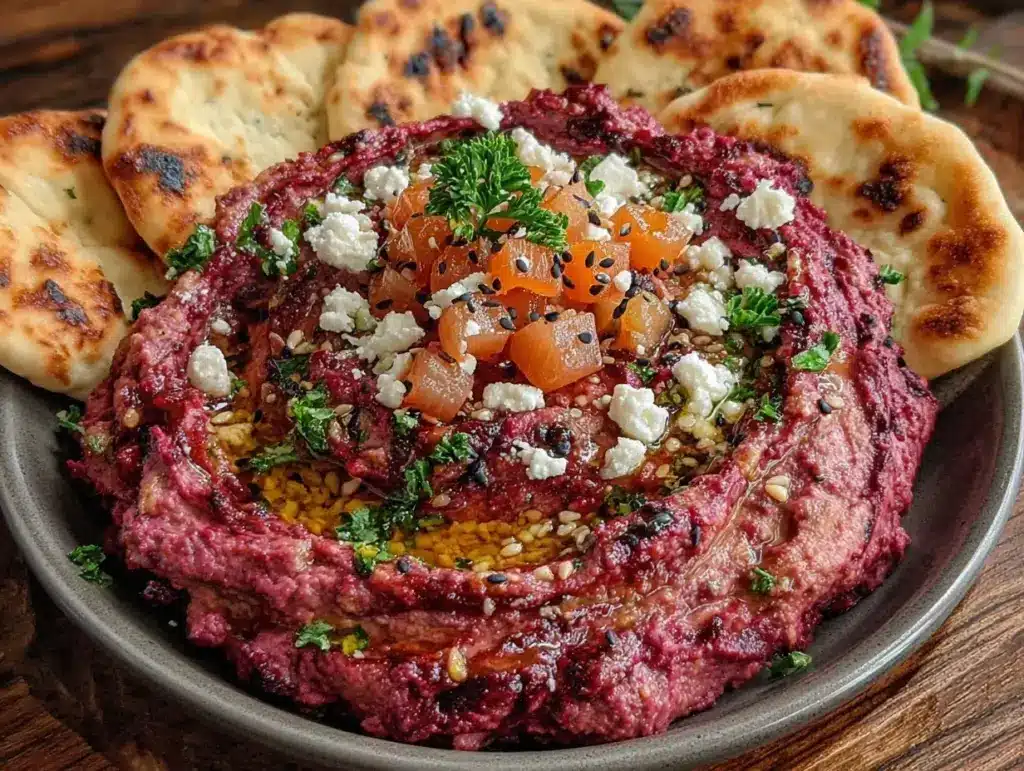
Let me just say it: the moment you slice into a fresh, roasted beet, your kitchen transforms. That earthy aroma—sweet, a little mysterious, and so inviting—fills the air, and suddenly, you’re not just making a snack. You’re crafting a bowl of pure color and flavor. The first time I pulled together this beet hummus recipe, I was honestly floored by the electric magenta hue swirling in my food processor. It’s the kind of food that draws everyone into the kitchen, even before you’ve had a chance to sprinkle the feta or toast the pine nuts.
I remember stumbling onto beet hummus at a quirky food stall years ago, back when I was knee-high to a grasshopper and believed hummus could only ever be beige. The vendor handed me a slice of rustic pita, loaded with this vibrant spread, and I was instantly hooked. There’s just something about that tangy, creamy, ever-so-slightly-sweet dip that makes you pause, take a deep breath, and grin because—let’s face it—you’ve found a new kitchen favorite.
This beet hummus recipe is now a staple for my family gatherings and potlucks. My kids can’t stop dipping carrots and pita chips when it’s on the table (honestly, neither can I). The feta brings a salty punch, the pine nuts add crunch, and the rustic pita is just begging to be torn and dunked. It’s dangerously easy, full of nostalgic comfort, and the perfect pop of color for your next Pinterest board or party spread. I’ve tested it more times than I care to admit (all in the name of research, of course!), and if you’re looking for a healthy snack that feels like a warm hug or a show-stopping appetizer, you’re going to want to bookmark this one.
Why You’ll Love This Beet Hummus Recipe
If you’ve ever felt uninspired by basic dips, this beet hummus recipe will shake up your snack routine in the best way possible. I’ve made dozens of hummus variations over the years—chickpea, white bean, even edamame—but this beet version is the one that makes people stop mid-bite and ask, “Wait, what is this?!”.
- Quick & Easy: Comes together in just about 10 minutes once your beets are roasted (and you can even roast them ahead!). Perfect for busy weekdays or last-minute guests.
- Simple Ingredients: No fancy products—just pantry staples and fresh produce. You probably have everything except the beets in your kitchen right now.
- Perfect for Sharing: This beet hummus is a show-off appetizer for brunch, potlucks, picnics, or cozy nights in.
- Crowd-Pleaser: Kids love the bright color (it’s honestly magical), and adults are always impressed by the flavor and presentation.
- Unbelievably Delicious: The sweet, earthy beet flavor mixed with creamy tahini, garlic, and tangy lemon is next-level comfort food. The feta and pine nuts send it over the top.
What really sets this beet hummus apart is the texture—ultra-smooth, thanks to blending the roasted beets with a little extra olive oil and tahini. That classic hummus flavor gets a sweet, almost floral boost from the beets, and when you layer on crumbled feta and toasted pine nuts, you get a salty, crunchy finish that’s hard to beat. This isn’t just another hummus recipe—it’s my best version, the kind you’ll want to make again and again.
For me, this dip is all about transforming a humble vegetable into something fun, healthy, and special. It’s comfort food reimagined—vibrant, nutrient-packed, and still as cozy as your favorite classic hummus. It’s the dip you make to impress your friends (with almost no stress), or to sneak more veggies into your day, or just to treat yourself. Trust me, you’ll be coming back for more.
What Ingredients You Will Need
This beet hummus recipe is built on simple, wholesome ingredients that deliver bold flavor and a creamy, dreamy texture—without any fuss. Most of these are pantry staples, and the rest are easy to grab at any grocery store. Here’s what you’ll need:
- For the Beet Hummus:
- 2 medium beets (about 8 oz/225g), scrubbed and trimmed
- 1 (15 oz/425g) can chickpeas, drained and rinsed (or about 1 ½ cups cooked chickpeas)
- 1/4 cup (60 ml) tahini (I love the Soom brand for its creamy texture)
- 2-3 tbsp (30-45 ml) extra-virgin olive oil, plus more for drizzling
- 2 tbsp (30 ml) fresh lemon juice (about half a big lemon)
- 1 large garlic clove, peeled
- 1/2 tsp ground cumin
- 3/4 tsp kosher salt, or to taste
- 2-3 tbsp (30-45 ml) cold water (as needed for blending)
- For the Toppings:
- 1/3 cup (50g) crumbled feta cheese (for salty, creamy bites)
- 3 tbsp (25g) pine nuts, lightly toasted (swap with walnuts or pistachios if you like)
- Chopped fresh parsley or dill (optional, for a fresh finish)
- Extra olive oil, for drizzling
- For Serving:
- Rustic pita bread, cut into triangles (store-bought or homemade)
- Assorted veggies: carrots, cucumber slices, bell pepper strips (totally optional, but great for color and crunch)
Ingredient Tips:
- Beets: Small to medium beets roast faster and have a sweeter flavor. You can use golden or red beets—red beets create the most dramatic color.
- Chickpeas: Canned is super convenient, but if you’re feeling ambitious, cook your own from dried for the creamiest hummus.
- Tahini: Runny, smooth tahini makes your hummus silkier. Stir well if it’s separated in the jar.
- Feta: Goat or sheep’s milk feta both work—use dairy-free feta to keep it vegan.
- Pine Nuts: Toast them gently in a dry skillet for the best flavor. No pine nuts? Chopped walnuts or pumpkin seeds are awesome too.
- Rustic Pita: I like buying from a local bakery or making my own, but any pita or flatbread will do the trick.
Feel free to swap in roasted carrots for the beets, or try white beans instead of chickpeas for a slightly milder flavor. This recipe is as flexible as you need it to be.
Equipment Needed
- Baking Sheet or Roasting Pan: For roasting your beets. Lining it with foil or parchment makes cleanup easier.
- Aluminum Foil: To wrap beets and keep them moist as they roast.
- Food Processor or High-Speed Blender: Essential for achieving that ultra-smooth hummus texture. I use my old trusty Cuisinart, but any strong blender works in a pinch.
- Sharp Knife & Cutting Board: For prepping the beets and slicing pita.
- Small Skillet: For toasting pine nuts—watch them closely, they burn fast!
- Measuring Cups & Spoons: For accuracy, though I admit I sometimes eyeball the olive oil.
- Spatula: To scrape down the sides of your processor and help transfer the hummus to a bowl.
If you don’t have a food processor, a strong blender will get you close—just stop and scrape more often. For roasting, I’ve even used my toaster oven in a pinch. And if you’re short on time, pre-cooked packaged beets (the vacuum-sealed kind) are a real lifesaver—no judgment!
To keep your blender or processor running smoothly, rinse it right after use, and never let tahini or hummus dry on the blades (trust me, it’s a pain to clean).
Preparation Method
-
Roast the Beets (40-50 minutes):
Preheat your oven to 400°F (200°C). Scrub and trim 2 medium beets, then wrap each tightly in foil. Place on a baking sheet and roast until a knife slides in easily, about 40-50 minutes. (If you’re using small beets, start checking at 30 minutes.)
Tip: Roasted beets should smell sweet and feel tender when pressed. -
Cool & Peel (10 minutes):
Let the beets cool just enough to handle, then slip off the skins using your fingers or a paper towel (wear gloves if you don’t want pink hands!). Chop into 1-inch (2.5 cm) pieces. -
Toast Pine Nuts (3-4 minutes):
While the beets are cooling, toast 3 tbsp pine nuts in a dry skillet over medium-low heat. Stir constantly until golden and fragrant (about 3-4 minutes). Remove immediately to prevent burning. -
Blend the Hummus (5-7 minutes):
Add roasted beet chunks, 1 can (425g) chickpeas, 1/4 cup tahini, 2 tbsp lemon juice, 1 garlic clove, 1/2 tsp cumin, 3/4 tsp salt, and 2 tbsp olive oil to your food processor.
Process for 1-2 minutes, scraping down the sides as needed.
With the motor running, drizzle in 2-3 tbsp cold water and another 1 tbsp olive oil, blending until the hummus is silky-smooth and vibrant. Taste and adjust seasoning—add more lemon juice or salt if you like it zestier.
Note: If the hummus is too thick, add a splash more water or oil, 1 tbsp at a time. -
Plate & Garnish:
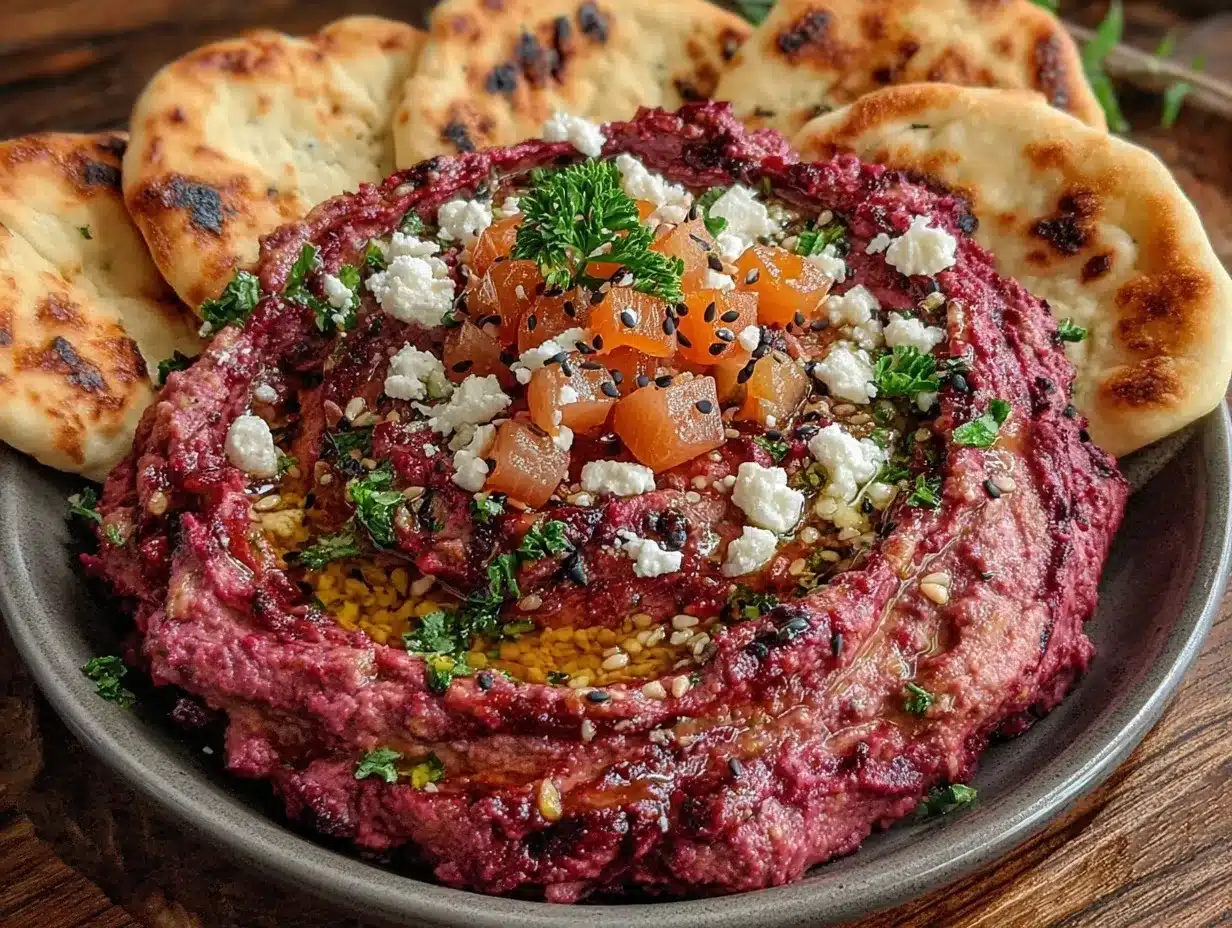
Spoon the beet hummus into a wide, shallow bowl. Use the back of your spoon to create swoops and swirls (this helps the toppings stay put!).
Sprinkle generously with crumbled feta, toasted pine nuts, and fresh herbs if using.
Drizzle with olive oil for a glossy finish. -
Serve:
Arrange rustic pita triangles and fresh veggies around the bowl. Serve immediately, or chill in the fridge for 1-2 hours for an even thicker, more flavorful dip.
Troubleshooting: Hummus too chunky? Add more water or olive oil, a tablespoon at a time. Too bland? More salt or lemon does wonders. If your beets are watery, blot them with a paper towel before blending for a thicker dip. And don’t skip the toppings—they really make this recipe sing!
Cooking Tips & Techniques
Making the perfect beet hummus isn’t hard, but a few chef-tested tips will help you get it just right every time. Here’s what I’ve learned (sometimes the hard way):
- Roast Your Beets Thoroughly: Undercooked beets can make your hummus gritty. They should be fork-tender, almost buttery inside. When in doubt, roast a little longer—you won’t regret it.
- Peel While Warm: The skins slide off beets more easily when they’re still a bit warm. Just don’t burn your fingers! If you forget and they cool completely, a quick run under warm water helps loosen stubborn skins.
- Use Cold Water for Creaminess: This is an old hummus trick. Blending in a little cold water makes the texture extra fluffy and smooth (almost like whipped butter, but healthier).
- Tahini Quality Matters: Grainy, separated tahini leads to lumpy hummus. Stir or shake your tahini really well before measuring, and use the best brand you can find.
- Taste as You Go: Every beet is a bit different—some are sweeter, some earthier. Always taste before you finish blending. A little extra lemon or salt can totally change the final flavor.
- Don’t Overload with Oil: It’s easy to get carried away with olive oil. Stick to the recipe, then add more only if the hummus feels dry. Too much oil can make it greasy instead of creamy.
- Let It Chill: If you have time, refrigerate the hummus for an hour before serving. The flavors meld and deepen, and the texture thickens up perfectly.
One time, I rushed the beets and ended up with a hummus that tasted like salad bar beets—kind of raw and not in a good way. Lesson learned: patience pays off! Multitasking helps too—I toast the pine nuts while the beets roast, and prep my garnishes while the hummus blends. That way, everything is ready at once, and you’re not stuck waiting around.
Variations & Adaptations
If you like to play in the kitchen (who doesn’t?), this beet hummus recipe is your blank canvas. Here are some of my favorite ways to change things up:
- Vegan/Dairy-Free: Skip the feta, or use a dairy-free feta alternative. The hummus itself is naturally vegan!
- Nut-Free: Omit pine nuts and use toasted pumpkin seeds or sunflower seeds for crunch. They’re just as tasty and allergy-friendly.
- Herbed Beet Hummus: Blend in a handful of fresh dill, mint, or parsley for an extra-green, garden-fresh flavor. I love dill for a Scandinavian twist.
- Spicy Beet Hummus: Add a pinch of cayenne or blend in half a roasted jalapeño for gentle heat. My husband swears by this version with an extra squeeze of lemon.
- Roasted Garlic Swap: For a sweeter, mellower hummus, roast your garlic clove along with the beets and blend it in. The flavor is mild and slightly caramelized.
- White Bean Beet Hummus: Use canned cannellini or navy beans instead of chickpeas for a slightly lighter, silkier dip.
For different serving styles, try stuffing this hummus in pita sandwiches with grilled veggies, or swirling it onto grain bowls as a creamy base. I’ve even used it as a vibrant pizza sauce—sounds wild, but it’s so good!
Serving & Storage Suggestions
This beet hummus is best served cool or at room temperature. Spoon it into a shallow bowl, make a few swoops with the back of your spoon, and top with feta, pine nuts, and a drizzle of olive oil. Sprinkle on fresh chopped herbs for an extra-fancy look (it always pops on a party table!).
Pair with rustic pita triangles, fresh veggie sticks, or even sturdy crackers. It’s also amazing as a sandwich spread or dolloped over salads and grain bowls. For a Mediterranean meal, serve alongside olives, tabbouleh, and a cool cucumber salad.
Leftover hummus keeps well in an airtight container in the fridge for up to 4 days. The flavors actually deepen over time, so it’s often even tastier on day two! If the hummus thickens too much, just stir in a teaspoon of water or olive oil before serving. I don’t recommend freezing—beet hummus can get watery when thawed—but it rarely lasts that long in my house anyway. For packed lunches or snacks, portion into small containers and stash with pita for easy grab-and-go meals.
Nutritional Information & Benefits
This beet hummus recipe is as nourishing as it is beautiful. A generous 1/4-cup serving (with toppings) has about 160 calories, 6g protein, 7g healthy fats, and 4g fiber. It’s naturally gluten-free (just serve with GF dippers if needed), and can be made dairy-free or nut-free with simple swaps.
Beets are loaded with antioxidants, fiber, and folate—great for heart health and keeping your energy up. Chickpeas add plant-based protein and keep you full, while tahini brings calcium and healthy fats. Olive oil and pine nuts lend Mediterranean goodness, and feta offers a little calcium and tang without overdoing the salt.
Allergens to watch for: sesame (tahini), nuts if using pine nuts, and dairy in the feta. I love making this recipe as a wholesome snack after workouts, or as a party dip that feels a little fancy but is secretly packed with nutrition. You can feel good about going back for seconds (or thirds!).
Conclusion
If you’re ready to wow your guests—or just your taste buds—with something bold, healthy, and bursting with flavor, this beet hummus recipe is the one. It’s easy enough for a weekday snack, but special enough for any celebration. The color alone is reason to make it, but the creamy, tangy, nutty flavor will keep you coming back.
Don’t be afraid to make it your own—try new toppings, swap out the beans, or sneak in fresh herbs. This recipe has become a favorite in my kitchen because it’s both forgiving and unforgettable. I hope it brings as much joy (and as many snack attacks) to your table as it has to mine.
If you give this recipe a try, I’d love to hear how it goes! Drop a comment below, share your beautiful hummus creations on social media, or let me know your favorite twist. Happy snacking—and remember, the best recipes are the ones you make your own!
Frequently Asked Questions
Can I use canned beets instead of roasting fresh ones?
Yes, you can use canned beets in a pinch! Rinse and drain them well before blending. The flavor is a little less sweet and earthy, but it works for a shortcut.
How do I make this beet hummus vegan?
Simply leave off the feta cheese or use a dairy-free feta alternative. The rest of the hummus is naturally vegan-friendly.
Is this recipe gluten-free?
The beet hummus itself is gluten-free. Just serve it with gluten-free pita, crackers, or veggie sticks if you need to avoid gluten.
Can I make beet hummus ahead of time?
Absolutely! It actually tastes even better after a few hours in the fridge. Make up to 2 days ahead and add the toppings just before serving.
What should I do if my hummus is too thick or too thin?
If it’s too thick, blend in a little more cold water or olive oil, a tablespoon at a time. If it’s too thin, add more chickpeas or chill in the fridge to firm it up.
Pin This Recipe!
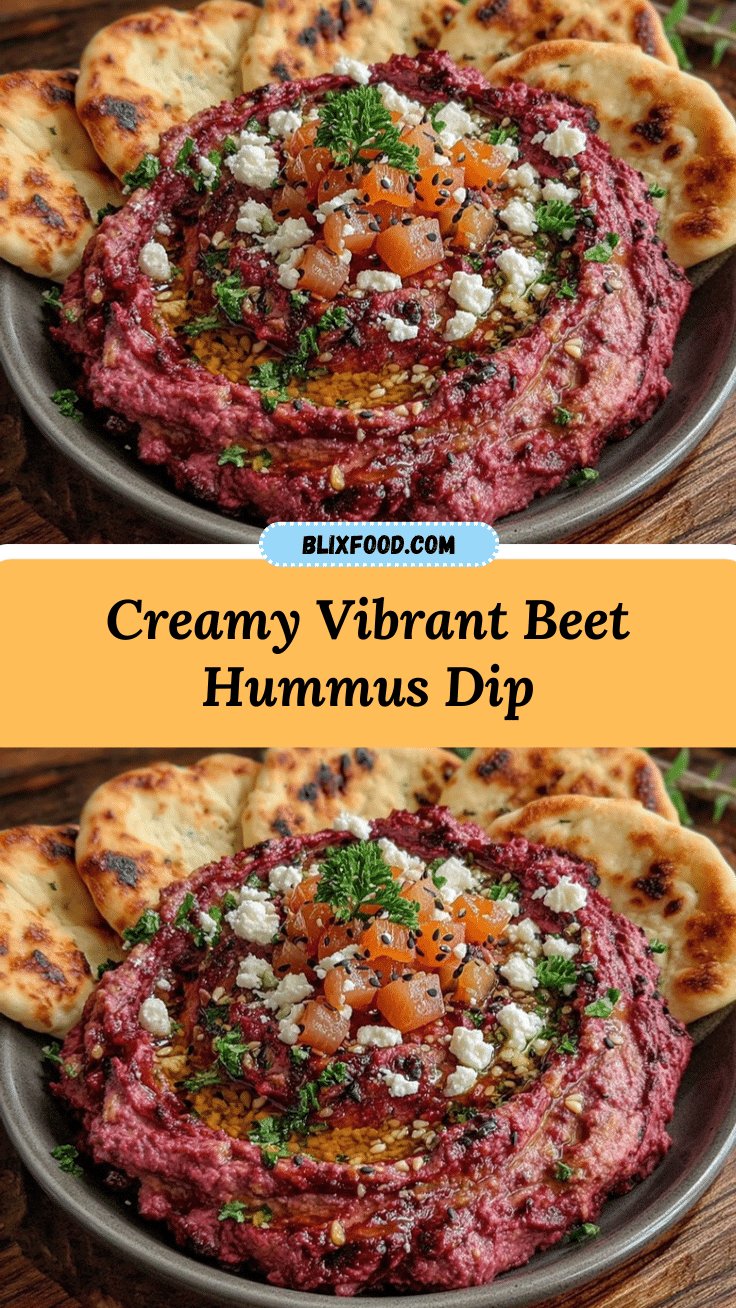
Beet Hummus Recipe: Easy Homemade Dip with Feta and Pita
This vibrant beet hummus is creamy, tangy, and slightly sweet, topped with salty feta and crunchy pine nuts. It’s a show-stopping, healthy dip perfect for parties, snacks, or family gatherings.
- Prep Time: 15 minutes
- Cook Time: 50 minutes
- Total Time: 1 hour 5 minutes
- Yield: 6 servings 1x
- Category: Appetizer
- Cuisine: Mediterranean
Ingredients
- 2 medium beets (about 8 oz), scrubbed and trimmed
- 1 (15 oz) can chickpeas, drained and rinsed (or about 1 ½ cups cooked chickpeas)
- 1/4 cup tahini
- 2–3 tablespoons extra-virgin olive oil, plus more for drizzling
- 2 tablespoons fresh lemon juice (about half a large lemon)
- 1 large garlic clove, peeled
- 1/2 teaspoon ground cumin
- 3/4 teaspoon kosher salt, or to taste
- 2–3 tablespoons cold water (as needed for blending)
- 1/3 cup crumbled feta cheese
- 3 tablespoons pine nuts, lightly toasted
- Chopped fresh parsley or dill (optional)
- Extra olive oil, for drizzling
- Rustic pita bread, cut into triangles
- Assorted veggies: carrots, cucumber slices, bell pepper strips (optional)
Instructions
- Preheat oven to 400°F. Scrub and trim beets, wrap each tightly in foil, and place on a baking sheet. Roast until fork-tender, about 40-50 minutes.
- Let beets cool enough to handle, then slip off skins and chop into 1-inch pieces.
- Toast pine nuts in a dry skillet over medium-low heat, stirring constantly until golden and fragrant (about 3-4 minutes). Remove from heat.
- Add roasted beet chunks, chickpeas, tahini, lemon juice, garlic, cumin, salt, and 2 tablespoons olive oil to a food processor.
- Process for 1-2 minutes, scraping down sides as needed. With motor running, drizzle in 2-3 tablespoons cold water and another 1 tablespoon olive oil, blending until silky-smooth and vibrant. Taste and adjust seasoning.
- If hummus is too thick, add more water or oil, 1 tablespoon at a time.
- Spoon hummus into a wide, shallow bowl. Create swoops with the back of a spoon.
- Sprinkle with crumbled feta, toasted pine nuts, and fresh herbs if using. Drizzle with olive oil.
- Serve with rustic pita triangles and fresh veggies. Chill in fridge for 1-2 hours for thicker, more flavorful dip if desired.
Notes
Roast beets thoroughly for creamy texture. Use cold water for extra fluffiness. Taste and adjust lemon and salt to preference. For vegan, omit feta or use dairy-free alternative. For nut-free, use pumpkin or sunflower seeds instead of pine nuts. Hummus thickens as it chills; stir in water or oil if needed before serving.
Nutrition
- Serving Size: 1/4 cup hummus with
- Calories: 160
- Sugar: 3
- Sodium: 350
- Fat: 7
- Saturated Fat: 2
- Carbohydrates: 18
- Fiber: 4
- Protein: 6
Keywords: beet hummus, healthy dip, Mediterranean appetizer, vegetarian snack, gluten-free, party dip, easy hummus, roasted beet, feta, pine nuts, pita