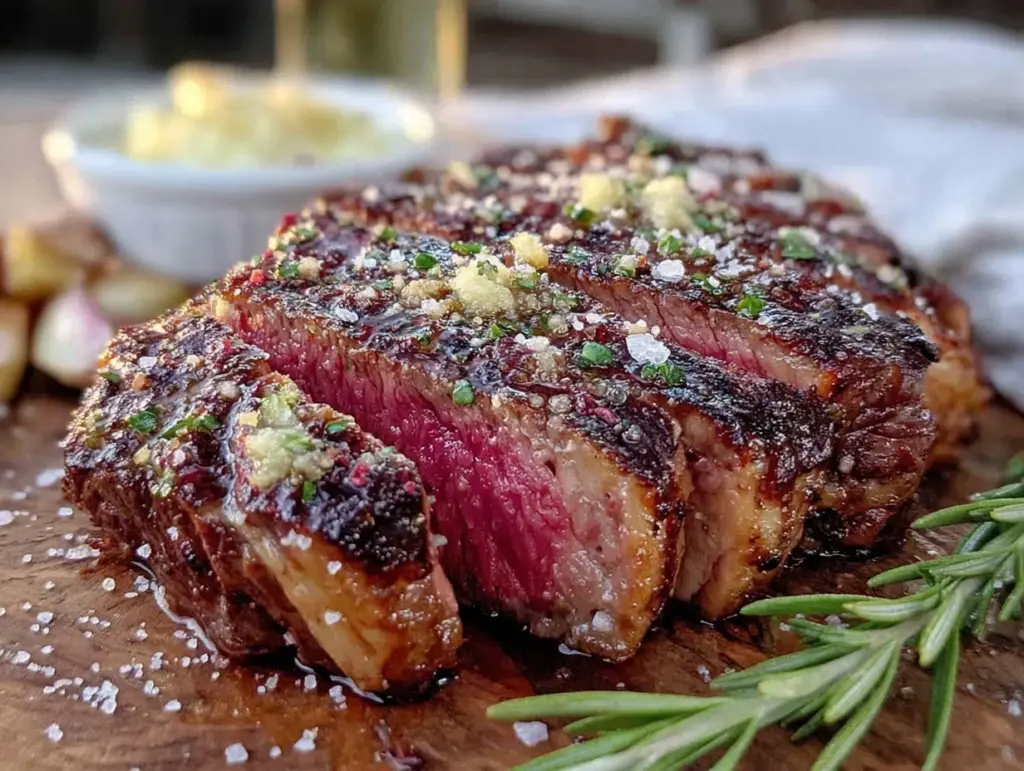
Close your eyes for a second and just imagine the sizzle—the kind that fills your kitchen with that unmistakable, mouthwatering aroma of a ribeye steak hitting a screaming hot skillet. There’s a moment, right as the beef starts to brown, when you know you’re in for something special. The buttery fat renders, the peppery crust forms, and honestly, I always have to stop and just breathe it all in. It’s the kind of magic that makes neighbors lean over the fence, and my family start circling the kitchen like hungry hawks.
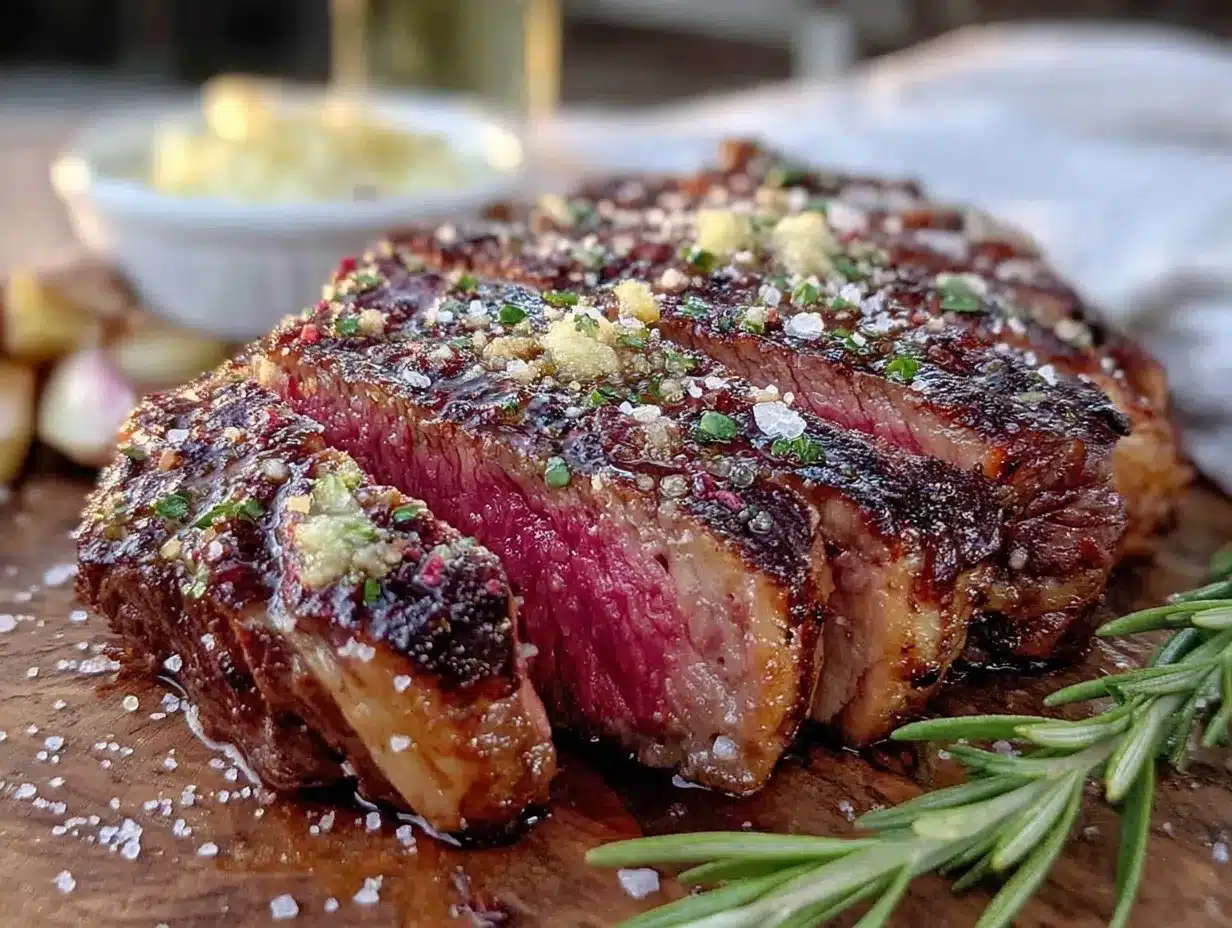
The first time I tried the reverse sear method, I was skeptical. I mean, I’d spent years wrestling with smoke alarms and unevenly cooked steaks. But one rainy Saturday (you know, the kind where you’re craving pure comfort), I gave it a shot. I was instantly hooked. That first perfect slice—rosy-pink from edge to edge, with a shatteringly crisp, caramelized crust—well, it was the kind of moment where you pause, take a deep breath, and just smile because you know you’re onto something truly special.
This reverse sear ribeye steak recipe has roots that go way back for me. My granddad used to say, “Don’t rush a good steak, kiddo.” He was right. Years ago, when I was knee-high to a grasshopper, I’d watch him fuss over his old cast iron pan, making sure every bit of that ribeye got the love it deserved. I’ve tweaked and tested this recipe more times than I can count (in the name of research, of course), and now it’s the absolute staple for our family’s Sunday dinners and any time we want to wow friends. My kids, who usually can’t agree on anything, fight for the last piece. And, let’s face it, I can’t blame them.
Whether you’re looking to impress at your next backyard BBQ, treat yourself to a steakhouse-worthy meal at home, or just want to brighten up your Pinterest dinner board, this method delivers every time. The reverse sear technique gives you consistent, juicy results and that drool-worthy caramelized crust you crave. Trust me, you’re going to want to bookmark this one—because nothing says “I love you” like a perfectly cooked ribeye that feels like a warm hug on a plate.
Why You’ll Love This Reverse Sear Ribeye Steak Recipe
Honestly, if you’ve ever struggled with overcooked edges and a raw center, this method is a total game-changer. After years of trial and error (and a few steak “oops” moments), I can say with confidence that this reverse sear ribeye steak will change your steak nights forever. Here’s why you’re about to fall in love with this recipe:
- Quick & Easy: You can have steakhouse-quality results in your own kitchen with less stress and more flavor. No fancy gadgets needed—just patience and a good skillet.
- Simple Ingredients: No need for complicated marinades or a shopping list as long as your arm. Just high-quality ribeye, salt, pepper, and a touch of oil and butter.
- Perfect for Any Occasion: Whether it’s a weeknight treat, a romantic date night at home, or a special gathering, this reverse sear ribeye steak fits right in. I’ve served it for Father’s Day and quick Tuesday suppers alike.
- Crowd-Pleaser: Kids, adults, picky eaters—everyone asks for seconds. Even my friend who claims she “doesn’t like steak” changed her mind after trying this.
- Unbelievably Delicious: That deep, caramelized crust is pure umami bliss, while the inside stays melt-in-your-mouth tender. It’s next-level comfort food, no question.
What really sets this recipe apart? It’s all about that slow-and-low oven start (which gently cooks the steak to juicy perfection) and the final blast of high heat in a skillet for that signature crust. No more gray, overdone steak. Each bite is evenly cooked, full of beefy flavor, and capped with a crisp, golden crust that’ll make your taste buds dance.
But here’s the real magic: the reverse sear method gives you control. You don’t have to sweat over a grill, guess at doneness, or panic about timing. It’s comfort food made smarter—still hearty and satisfying, but with a foolproof process that leaves you free to actually enjoy your evening. This isn’t just another steak recipe; it’s the kind of meal that makes you close your eyes after the first bite and think, “Yep, this is how steak should taste.”
If you’re anything like me, you’ll find yourself making this ribeye again and again—sometimes just because you deserve it. It’s a crowd-pleaser that’s as impressive as it is approachable, and you’ll never look at steak the same way again.
What Ingredients You Will Need
This recipe uses simple, wholesome ingredients to deliver that crave-worthy flavor and steakhouse texture without the fuss. Honestly, most of what you need is probably already in your kitchen, and if you use good quality ribeye, you’re more than halfway there. Here’s what you’ll need for the perfect reverse sear ribeye steak with caramelized crust:
- Ribeye Steaks (2, about 1.5 inches/4 cm thick, 14–16 oz/400–450g each): Go for well-marbled, bone-in or boneless. The fat gives flavor and keeps things juicy. I love using Certified Angus Beef or a local butcher’s cut for best results.
- Kosher Salt (about 1–1.5 tsp per steak): Coarse salt seasons the meat deeply and helps with crust formation. Table salt works, but use a little less.
- Freshly Ground Black Pepper (to taste): Adds bite and aroma. I go heavy-handed, but you can dial it back if you prefer.
- Neutral Oil (1–2 tbsp, such as canola, grapeseed, or avocado): High smoke point oils are best for that final sear. Olive oil is okay, but may smoke more.
- Unsalted Butter (2 tbsp/28g): Adds richness and helps brown the crust. If you’re dairy-free, try ghee or a quality vegan butter.
- Fresh Garlic Cloves (2, smashed): Optional, but basting with garlic butter is the secret to next-level flavor.
- Fresh Herbs (a few sprigs, like thyme or rosemary): Totally optional, but I toss them in for an aromatic finish. Dried herbs work in a pinch.
Ingredient Notes & Swaps:
- Steak: If ribeye isn’t your thing, this method works beautifully with New York strip, porterhouse, or even filet mignon. For a budget-friendly twist, try sirloin (just don’t skip the caramelized crust step!).
- Salt: Diamond Crystal kosher salt is my go-to for easy sprinkling. If you only have table salt, reduce the amount slightly as it’s finer.
- Oil: Don’t use butter for the initial sear—it burns. Stick with oils that can handle high heat. Avocado oil is my favorite for its mild flavor.
- Herbs & Garlic: Totally optional, but I love how they make the kitchen smell like a fancy steakhouse.
- Butter: For a richer finish, add an extra tablespoon and baste generously. For a lighter option, use less or skip it.
Honestly, the beauty of this reverse sear ribeye steak is how adjustable it is. I’ve swapped in what I had on hand more times than I can count, and as long as you stick to thick, high-quality steak and give it enough time, you’ll be golden.
Equipment Needed
You don’t need anything fancy to nail this reverse sear ribeye steak with caramelized crust, but a few solid tools make the process a lot smoother. Here’s what I always grab:
- Rimmed Baking Sheet: For oven-cooking the steak. A cooling rack set inside helps with airflow, but isn’t essential.
- Wire Cooling Rack (optional): If you have one, use it to raise the steaks during oven roasting. It helps cook evenly, but I’ve done it without, straight on parchment paper—works fine in a pinch.
- Cast Iron Skillet or Heavy Stainless Steel Pan: For that caramelized crust. Cast iron is my favorite (holds heat like a champ), but any heavy-bottomed skillet will do.
- Instant-Read Thermometer: This is your best friend for perfect doneness. I used to guess—never again. ThermoWorks and OXO are both reliable options.
- Tongs: For flipping the steak without piercing and losing juices. I like silicone-tipped for easy handling.
- Aluminum Foil: For tenting the steak during rest. Keeps it warm and lets the juices redistribute.
- Small Spoon: For basting with buttery goodness during the final sear.
Equipment Notes: If you don’t have a wire rack, don’t sweat it—just flip the steak once or twice during the oven phase. For the skillet, anything that can get ripping hot (and isn’t nonstick) works. And if you’re on a budget, a basic oven-safe pan and cheap thermometer will still give you stellar results. I’ve done it all ways, and the steak always turns out delicious if you follow the steps.
Preparation Method
-
Prep the Steaks:
- Pat the ribeye steaks dry with paper towels. This removes surface moisture—key for that caramelized crust.
- Generously season both sides and edges with kosher salt and black pepper. Let them sit at room temperature for 30–40 minutes to take off the chill and let the salt work its magic.
-
Preheat the Oven:
- Set your oven to 250°F (120°C). Lower heat cooks the steaks evenly and gently—no overcooked edges.
- Place a wire rack on a rimmed baking sheet, or line the sheet with parchment if you don’t have a rack.
-
Oven Cook the Steaks:
- Arrange the steaks on the rack or baking sheet. Insert an instant-read thermometer into the thickest part—trust me, this is worth it.
- Bake for 40–60 minutes, depending on thickness and your desired doneness:
- Rare: 115°F (46°C)
- Medium Rare: 120–125°F (49–52°C)
- Medium: 130°F (54°C)
- Sensory cue: The steak should look dry-ish on the outside and feel just slightly springy when pressed.
-
Rest the Steaks:
- Remove steaks from the oven and tent loosely with foil. Let them rest while you heat the skillet—about 10 minutes. This helps keep those juices where you want them (inside!).
-
Heat the Skillet:
- Place your cast iron or heavy pan over high heat. Let it preheat for 5 minutes—seriously, don’t rush this part. The pan should be almost smoking before you add anything.
-
Sear for the Caramelized Crust:
- Add 1–2 tablespoons of neutral oil and swirl to coat.
- Carefully lay the steaks in the skillet. Press gently for maximum contact.
- Sear for 60–90 seconds per side, or until a deep golden-brown crust forms. For extra flavor, sear the edges, using tongs to hold the steak upright.
- During the last 30 seconds, add butter, garlic, and herbs. Tilt the pan and use a spoon to baste the steaks with the bubbling butter (this is where the magic happens—aromas galore!).
-
Final Rest & Serve:
- Transfer steaks to a cutting board. Tent with foil and rest 5–10 minutes. This makes slicing easier and keeps things juicy.
- Slice against the grain and serve immediately.
Tips: If your steak is thinner than 1.5 inches, check temperature early—these cook faster. If you want a peppery crust, press extra black pepper on just before searing. And don’t crowd the pan or you’ll steam instead of sear.
Cooking Tips & Techniques
Getting a perfect reverse sear ribeye steak with caramelized crust isn’t hard, but there are a few chef-y tricks that make all the difference. I’ve made plenty of mistakes (smoky kitchens, gray steak, you name it), so here’s what I’ve learned:
- Pat Steaks Dry: Seriously, don’t skip this step. Moisture is the enemy of crust. Dry steaks brown better, period.
- Don’t Rush the Oven Phase: Low and slow is your friend. If you crank the heat, you’ll overcook the edges. Patience pays off with juicy, evenly cooked steak.
- Thermometer Is Key: Guesswork leads to disappointment. I always check temp early—every oven and steak is a little different. Remember, the steak will carry over a few degrees during rest and searing.
- Super-Hot Pan for Searing: Give your skillet time to get really hot (almost smoking). If the oil isn’t shimmering, wait. A cold pan = sad crust.
- Avoid Overcrowding: Sear one or two steaks at a time. If you cram the pan, you’ll steam the meat instead of browning it. Learned this the hard way at a big family cookout!
- Baste with Butter at the End: Add butter, garlic, and herbs only in the final moments. This prevents burning and maximizes flavor. The sizzling, aromatic butter is honestly my favorite part.
- Let It Rest: Don’t slice too soon! Resting helps the juices redistribute so you don’t end up with a dry steak and a puddle on your cutting board.
Consistency Tips: Try to use steaks of similar thickness so they cook at the same rate. If you’re cooking more than two, use two pans or work in batches. And if you’re new to the method, start with medium-rare—it’s the most forgiving. With a little practice, you’ll be serving up steakhouse-worthy ribeyes every time.
Variations & Adaptations
One of the best things about this reverse sear ribeye steak recipe is how easy it is to adapt. Here are some of my favorite ways to switch things up:
- Different Cuts: This method shines with New York strip, porterhouse, T-bone, or filet mignon. Adjust oven time for thinner or thicker cuts.
- Herb & Spice Crust: Try adding a sprinkle of smoked paprika, crushed coriander, or dried rosemary to your salt and pepper for a flavor boost. Sometimes I rub a little brown sugar in for a hint of sweetness on the crust—so good for date night!
- Compound Butter: Mix softened butter with chives, blue cheese, or roasted garlic and melt it over the finished steak. It’s a steakhouse secret that’s easy to do at home.
- Dietary Swaps: For dairy-free, use a plant-based butter or skip basting and finish with a drizzle of olive oil. Gluten-free? No worries—this recipe is naturally so.
- Cooking Methods: If you don’t have an oven, you can mimic the reverse sear on a grill: cook over indirect heat until almost done, then move to direct heat for the final crust. I’ve done this on camping trips with great results.
- Allergen Options: Sensitive to garlic? Just skip it, or swap for a pinch of garlic powder in the seasoning mix.
My personal favorite twist: a sprinkle of flaky sea salt and a squeeze of lemon right before serving. It brightens up the beefy richness and makes each bite pop. Don’t be afraid to play around—once you’ve got the basics, the sky’s the limit!
Serving & Storage Suggestions
This reverse sear ribeye steak is best served hot, straight from the cutting board, when the crust is crisp and the inside is juicy. I like to slice it thick and fan it out on a warm platter—looks fancy, but takes no extra work. For a true steakhouse vibe, serve with roasted potatoes, a simple salad, or garlicky green beans. A bold red wine or cold craft beer never hurts, either!
If you have leftovers (rare in my house!), let the steak cool, then wrap tightly in foil or a zip-top bag. Store in the refrigerator for up to 3 days. To freeze, slice first for easier reheating, then wrap in parchment and foil before stashing in the freezer for up to 2 months.
To reheat, gently warm slices in a 250°F (120°C) oven until just heated through, or give them a quick sizzle in a hot skillet with a dab of butter for a little refresh. The flavor deepens overnight, and leftover steak makes killer sandwiches or steak salads. Just avoid the microwave—it zaps the juiciness right out (trust me, I’ve tried!).
Nutritional Information & Benefits
Estimated Per Serving (8 oz/225g cooked ribeye):
- Calories: 600–700
- Protein: 48g
- Fat: 48g (mostly from healthy beef fat and butter)
- Carbohydrates: 0g
Ribeye steak is a great source of protein, iron, and vitamin B12—important for energy and muscle health. When you use high-quality beef, you get more omega-3s and less saturated fat. This recipe is naturally gluten-free, low-carb, and keto-friendly. (If you skip the butter or use plant-based, you can make it dairy-free, too!)
Of course, ribeye is a treat food, but honestly, nothing beats the satisfaction of a home-cooked steak. As always, if you have allergies, check your butter and seasonings for hidden ingredients. I love that this recipe can fit into so many wellness lifestyles with just a few tweaks.
Conclusion
There’s just something about a perfectly cooked reverse sear ribeye steak that makes any meal feel like a celebration. This recipe gives you all the steakhouse vibes—juicy, evenly cooked beef, a caramelized crust that’s pure bliss, and a process so easy you’ll wonder why you ever did it any other way.
Don’t be afraid to put your own spin on it—add your favorite herbs, change up the sides, or try a new cut. Part of what makes this recipe special is how adaptable it is. For me, this steak is a reminder that the best meals don’t have to be complicated; they just need a little patience and the right technique.
So go ahead—treat yourself, your family, or your friends to a reverse sear ribeye steak with caramelized crust. I’d love to hear how yours turns out, so drop a comment, share your favorite variations, or tag me on Pinterest with your steak success! Happy cooking—and remember, you deserve a steak night that knocks your socks off.
Frequently Asked Questions
How long should I cook a ribeye steak using the reverse sear method?
For a 1.5-inch (4 cm) thick ribeye, bake at 250°F (120°C) for 40–60 minutes until the internal temperature reaches your desired doneness (120–125°F/49–52°C for medium rare). Then sear each side for 60–90 seconds in a hot skillet for that caramelized crust.
Do I need a cast iron skillet for the sear?
Cast iron gives the best caramelized crust, but any heavy stainless steel pan will work. Just avoid nonstick pans—they don’t handle high heat well and won’t give you the same sear.
Can I use this method with other cuts of steak?
Absolutely! The reverse sear works with New York strip, filet mignon, porterhouse, and even thick sirloin. Just adjust oven cooking time for thinner or thicker cuts.
What’s the best way to reheat leftover steak?
Gently reheat slices in a low oven (250°F/120°C) or in a hot skillet with a little butter. Avoid the microwave—it tends to dry out the steak and ruin the crust.
How do I know when my steak is done?
Use an instant-read thermometer for best results. For medium rare, pull the steak from the oven at 120–125°F (49–52°C). The temperature will rise a few degrees during resting and searing, hitting the perfect doneness every time.
Pin This Recipe!

Reverse Sear Ribeye Steak Recipe: Easy Method for Perfect Caramelized Crust
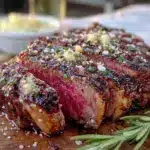
This reverse sear ribeye steak recipe delivers a steakhouse-quality meal at home with a juicy, evenly cooked interior and a shatteringly crisp, caramelized crust. The foolproof method uses a slow oven roast followed by a high-heat skillet sear for perfect results every time.
- Prep Time: 15 minutes
- Cook Time: 50 minutes
- Total Time: 1 hour 15 minutes
- Yield: 2 servings 1x
- Category: Main Course
- Cuisine: American
Ingredients
- 2 ribeye steaks, about 1.5 inches thick (14–16 oz each)
- 1–1.5 teaspoons kosher salt per steak
- Freshly ground black pepper, to taste
- 1–2 tablespoons neutral oil (canola, grapeseed, or avocado)
- 2 tablespoons unsalted butter
- 2 fresh garlic cloves, smashed (optional)
- A few sprigs fresh herbs (thyme or rosemary, optional)
Instructions
- Pat the ribeye steaks dry with paper towels.
- Generously season both sides and edges with kosher salt and black pepper. Let sit at room temperature for 30–40 minutes.
- Preheat oven to 250°F (120°C). Place a wire rack on a rimmed baking sheet, or line the sheet with parchment if you don’t have a rack.
- Arrange steaks on the rack or baking sheet. Insert an instant-read thermometer into the thickest part.
- Bake for 40–60 minutes, until internal temperature reaches desired doneness (115°F for rare, 120–125°F for medium rare, 130°F for medium).
- Remove steaks from oven and tent loosely with foil. Rest for about 10 minutes.
- Heat a cast iron or heavy skillet over high heat for 5 minutes until almost smoking.
- Add 1–2 tablespoons neutral oil and swirl to coat.
- Carefully lay steaks in the skillet. Sear for 60–90 seconds per side, until a deep golden-brown crust forms. Sear edges using tongs.
- During last 30 seconds, add butter, garlic, and herbs. Tilt pan and baste steaks with bubbling butter.
- Transfer steaks to a cutting board, tent with foil, and rest 5–10 minutes.
- Slice against the grain and serve immediately.
Notes
For best results, use steaks of similar thickness and a reliable thermometer. Pat steaks dry before seasoning for optimal crust. If using other cuts, adjust oven time. Baste with butter, garlic, and herbs only at the end to avoid burning. Let steak rest after cooking for juicier results. Avoid overcrowding the pan during searing.
Nutrition
- Serving Size: 8 oz cooked ribeye s
- Calories: 650
- Sodium: 1200
- Fat: 48
- Saturated Fat: 20
- Protein: 48
Keywords: reverse sear, ribeye steak, steakhouse, caramelized crust, easy steak recipe, oven steak, cast iron steak, beef, dinner, keto, gluten-free