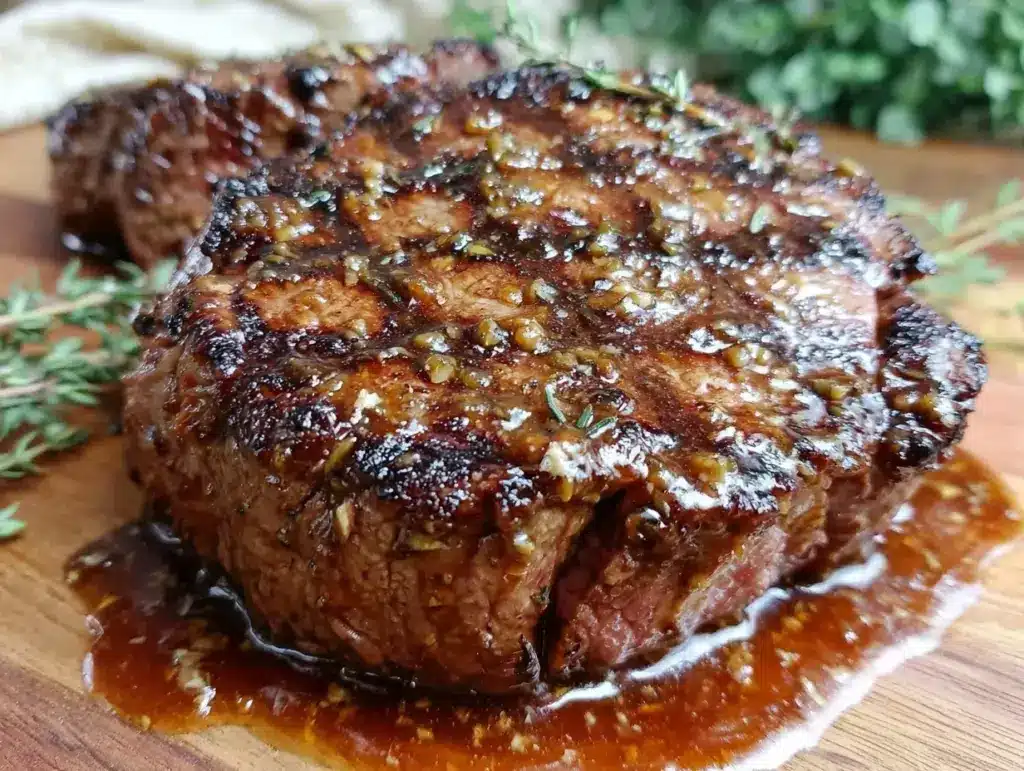
“I never thought a taxi driver would become my go-to cooking guru, but there I was, leaning against the counter in my cramped kitchen, scribbling down his secret for the perfect filet mignon. It was a chilly Thursday evening when Joe, the driver, swung by to pick me up after work. Between tales of narrow escapes and favorite diners, he casually mentioned how he nails a filet mignon with a red wine reduction that ‘makes the city stop.’
Honestly, I was skeptical at first — steak and wine sauce sounded fancy, and my last attempt ended up tough and sad. But Joe insisted, saying it’s all in the timing and the sauce. I tried it the next weekend, juggling a cracked bowl and a stubborn stove knob, and, well, it worked. The filet was tender, buttery almost, and that sauce? Rich and deep, with just the right kick.
If you’ve ever stood in front of the meat counter wondering how to get a restaurant-worthy filet mignon at home (maybe you’ve been there), this recipe might just be the answer. It’s approachable, forgiving, and, let me tell you, it’s the kind of dish that turns a simple dinner into a little celebration. Plus, it comes with that story – about a taxi driver, a cracked bowl, and a night that changed my steak game forever.
Why You’ll Love This Recipe
Cooking the perfect filet mignon can feel like an intimidating task, but this recipe breaks it down into easy steps that anyone can follow. Over several kitchen trials, I refined the timing and sauce reduction so that every bite is consistently tender and flavorful.
- Quick & Easy: Ready in under 30 minutes, perfect for busy weeknights or an impromptu fancy dinner.
- Simple Ingredients: Uses pantry staples and a few fresh items—no need to hunt for exotic ingredients.
- Perfect for Dinner Parties: Impress your guests with a restaurant-quality steak and a luscious red wine sauce.
- Crowd-Pleaser: Even steak skeptics have come back for seconds of this juicy filet.
- Unbelievably Delicious: The buttery texture paired with the rich, tangy sauce delivers comfort food with a touch of elegance.
What sets this recipe apart is the way the red wine reduction is crafted—slowly simmered to bring out deep, complex flavors without overpowering the natural beefiness of the filet. Plus, pan-searing the steak with a bit of butter and fresh herbs gives the crust a perfect crust that you won’t forget.
This isn’t just another steak recipe; it’s the one that makes you close your eyes after the first bite and say, “Yep, that’s how it’s done.” Whether you’re cooking for yourself or a special someone, it turns a simple meal into a moment worth savoring.
What Ingredients You Will Need
This recipe uses straightforward, wholesome ingredients to deliver bold flavor and a satisfying texture without fuss. Most are pantry staples, and substitutions are easy if you need them.
- Filet Mignon Steaks (2 pieces, about 6 oz / 170 g each, trimmed and at room temperature) – Choose steaks that are about 1.5 inches thick for best results.
- Salt & Freshly Ground Black Pepper – To season the steaks generously.
- Olive Oil (2 tablespoons) – For searing; I prefer a light, fruity olive oil like California Olive Ranch.
- Unsalted Butter (2 tablespoons) – Adds richness and helps develop the crust.
- Garlic Cloves (2, smashed) – For aromatic flavor during searing.
- Fresh Thyme or Rosemary (2 sprigs) – Adds a fragrant herbal note.
- Red Wine (1 cup / 240 ml, dry and full-bodied like Cabernet Sauvignon or Merlot) – The base for the reduction sauce.
- Beef Broth (½ cup / 120 ml) – Deepens the sauce flavor; homemade or low-sodium store-bought works well.
- Shallot (1 small, finely chopped) – Adds subtle sweetness and texture to the sauce.
- Cold Unsalted Butter (1 tablespoon, diced) – Used to finish the sauce for a silky texture.
- Optional: A pinch of sugar or honey if the wine is too tart.
For a gluten-free option, ensure your beef broth is certified gluten-free. If you prefer a non-alcoholic sauce, unsweetened grape juice with a splash of balsamic vinegar can be a clever substitute, though the flavor profile will differ.
Equipment Needed
- Heavy-Bottomed Skillet or Cast Iron Pan: Essential for even heat and a good sear on the filet. I personally swear by my Lodge cast iron; it holds heat beautifully and creates that perfect crust.
- Tongs: For flipping steaks without piercing the meat and losing juices.
- Small Saucepan: To prepare the red wine reduction sauce separately if needed.
- Meat Thermometer: Optional, but highly recommended to check doneness precisely without cutting into the steak.
- Wooden Spoon or Heatproof Spatula: For stirring the sauce.
- Fine Mesh Strainer: Optional, if you prefer a smooth sauce without shallot bits.
- Aluminum Foil or Plate: To rest the steaks after cooking.
If you don’t have cast iron, a heavy stainless steel pan works too, though the sear might not be as deeply caramelized. Keep your pans well-seasoned and dry before adding oil. Trust me, a sticky pan is never fun when you want that crisp crust!
Preparation Method
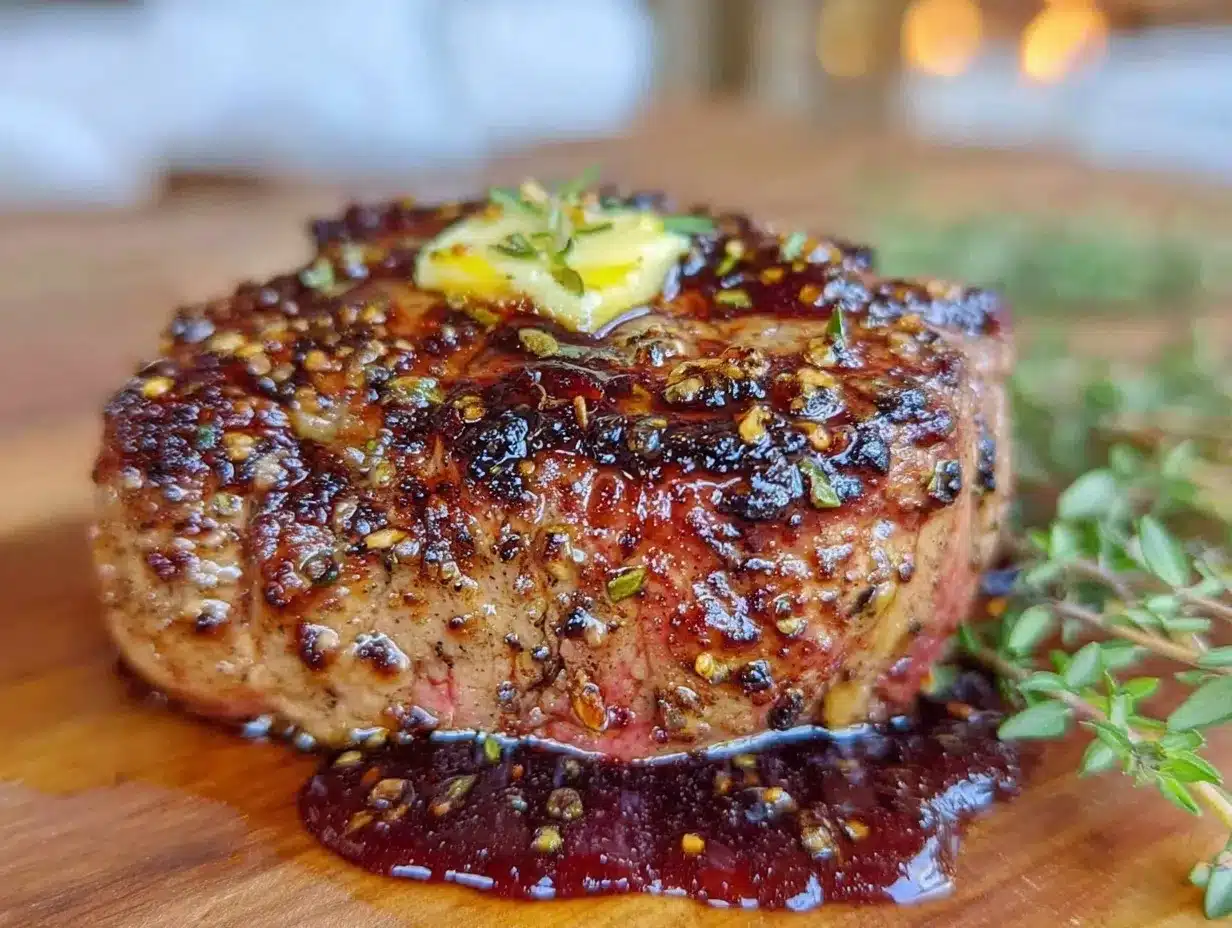
- Prepare the Steaks: About 30 minutes before cooking, remove the filet mignon from the fridge. Pat dry with paper towels, then season generously with salt and freshly ground black pepper on all sides. Letting them come to room temperature helps cook evenly.
- Heat the Pan: Place your skillet over medium-high heat and add the olive oil. Let it get shimmering hot but not smoking (about 2-3 minutes). This is crucial for a good sear.
- Sear the Steaks: Carefully add the filets to the pan without overcrowding. Let them sear undisturbed for about 3-4 minutes on the first side. You’re looking for a deep golden-brown crust (think dark caramel color).
- Flip and Add Aromatics: Using tongs, flip each steak. Immediately add the butter, smashed garlic, and fresh thyme (or rosemary) to the pan. Tilt the pan slightly and spoon the melted butter over the steaks repeatedly for about 3-4 minutes for medium-rare. Adjust timing if you prefer more or less doneness.
- Check Doneness: If you have a meat thermometer, aim for 130°F (54°C) for medium-rare. Remove steaks from the pan and place on a plate or cutting board tented loosely with foil. Rest for 5-7 minutes to redistribute juices.
- Make the Red Wine Reduction: While the steaks rest, discard the garlic and herbs from the pan. Add the finely chopped shallot and sauté over medium heat until softened and translucent, about 2 minutes.
- Deglaze: Pour in the red wine and beef broth, scraping the bottom of the pan to release all those browned bits. Bring to a gentle boil and reduce until the liquid thickens and coats the back of a spoon, about 8-10 minutes. Taste and add a pinch of sugar or honey if the sauce feels too sharp.
- Finish the Sauce: Remove from heat and whisk in the cold diced butter pieces one at a time until the sauce is glossy and smooth. This step adds richness and a velvety texture.
- Serve: Spoon the red wine reduction over the rested filet mignon. Garnish with a sprig of fresh thyme if you like. Enjoy immediately!
Pro tip: Keep an eye on the sauce thickness—if it reduces too much, add a splash of broth to loosen it up. Also, rest the steaks; skipping this step is a rookie mistake that makes meat dry.
Cooking Tips & Techniques
Here’s what I’ve learned after many dinners and a few burnt pans:
- Patience is key: Don’t rush the sear. Let the steak develop a crust before flipping. Pressing or moving it too soon will tear that beautiful surface.
- Room Temperature Steaks: Cold meat cooks unevenly. Giving it time to warm up means no raw centers and a perfectly pink middle.
- Butter Basting: This little technique bakes flavor into the meat and keeps it moist. Spoon the melted butter constantly—your arm will get a workout, but it’s worth it!
- Rest the Meat: This is non-negotiable for juicy steak. Let it rest under foil so the juices settle instead of running onto your plate.
- Wine Sauce Patience: Don’t rush the reduction. A slow simmer brings out the complexity of the wine and intensifies flavor.
- Common Mistake: Overcrowding the pan steals heat and produces steam instead of sear. Cook in batches if needed.
- Multitasking Tip: Start the sauce while the steak rests to save time and keep everything warm.
Variations & Adaptations
To keep things interesting or cater to different needs, here are some ideas:
- Herb Twist: Swap thyme for fresh tarragon or sage in the butter basting for a different aroma.
- Seasonal Sauce: Add a handful of fresh or frozen blackberries to the reduction for a fruity note in summer and fall.
- Allergen-Free: Replace butter with ghee or olive oil if you’re dairy sensitive—though the sauce will be less silky.
- Cooking Method: For an easier route, finish the seared steaks in a 400°F (200°C) oven for 5-7 minutes instead of stovetop basting.
- Personal Favorite: I once tried adding a splash of balsamic vinegar to the sauce near the end—unexpected tang that seriously impressed my dinner guests.
Serving & Storage Suggestions
Serve your filet mignon warm, straight from the plate, with the sauce drizzled generously. It pairs beautifully with creamy mashed potatoes, roasted garlic green beans, or a simple arugula salad with lemon vinaigrette.
For beverages, a medium-bodied red wine like Pinot Noir or a robust Merlot complements the dish perfectly.
If you have leftovers (lucky you), wrap the steak tightly in foil or airtight containers and refrigerate up to 2 days. Reheat gently in a low oven (about 250°F / 120°C) to avoid overcooking, and warm the sauce separately on the stove. Flavors meld nicely overnight, making leftovers surprisingly delicious.
Nutritional Information & Benefits
A 6 oz (170 g) filet mignon steak contains roughly 350 calories, 45 grams of protein, 20 grams of fat (mostly healthy monounsaturated fats), and minimal carbohydrates. This recipe is naturally gluten-free and low in carbs, fitting well into paleo and keto diets.
Beef is an excellent source of iron, zinc, and B vitamins, essential for energy and immune health. The antioxidants in red wine, like resveratrol, may offer heart benefits when consumed in moderation (remember, we reduce the wine, concentrating flavor but cooking off alcohol).
Using fresh herbs and shallots adds micronutrients and flavor without extra calories. Overall, this dish balances indulgence with nutritional value, making it a satisfying choice for a nourishing meal.
Conclusion
If you’ve ever hesitated to cook filet mignon at home, this recipe is your gentle nudge to give it a shot. With simple ingredients, clear steps, and a rich red wine reduction that’s surprisingly easy to master, it brings a touch of restaurant flair without the stress.
Feel free to tweak the herbs, swap wines, or add your own spin to the sauce. The best part? It’s forgiving enough to let you make it your own. Personally, this recipe reminds me of those unexpected kitchen moments that turn into favorites—like a taxi driver’s passing advice that stuck with me.
Go ahead, treat yourself to a meal that feels special but doesn’t need a special occasion. And when you do, I’d love to hear how your perfect filet mignon turned out—drop a comment or share your own sauce twist!
Happy cooking, and enjoy every juicy, buttery bite.
FAQs
How do I know when my filet mignon is cooked perfectly?
Using a meat thermometer is the most reliable method. For medium-rare, aim for 130°F (54°C). If you don’t have a thermometer, the steak should feel firm but still springy when pressed gently.
Can I make the red wine reduction ahead of time?
Yes, you can prepare the sauce a day ahead and gently reheat it before serving. Just whisk in a splash of broth or water if it thickens too much upon cooling.
What’s the best way to reheat leftover filet mignon?
Reheat slowly in a low oven (around 250°F / 120°C) wrapped in foil to keep it moist. Avoid microwaving, which can overcook and dry out the meat.
Can I use other cuts of steak for this recipe?
Absolutely! Ribeye or sirloin can work, but cooking times and thickness will vary. Filet mignon is prized for its tenderness and mild flavor, so adjust seasoning and cooking accordingly.
What if I don’t have red wine? Can I substitute it?
If you prefer not to use wine, beef broth with a splash of balsamic vinegar or grape juice can substitute, though the flavor profile will be a bit different. Just reduce as usual to concentrate flavors.
Pin This Recipe!

Perfect Filet Mignon Recipe with Easy Rich Red Wine Reduction Sauce
This recipe delivers a tender, buttery filet mignon paired with a rich, deep red wine reduction sauce. It’s approachable, forgiving, and perfect for turning a simple dinner into a special celebration.
- Prep Time: 35 minutes
- Cook Time: 15 minutes
- Total Time: 50 minutes
- Yield: 2 servings 1x
- Category: Main Course
- Cuisine: American
Ingredients
- 2 filet mignon steaks (about 6 oz / 170 g each, trimmed and at room temperature, about 1.5 inches thick)
- Salt and freshly ground black pepper, to season generously
- 2 tablespoons olive oil (preferably light, fruity olive oil)
- 2 tablespoons unsalted butter
- 2 garlic cloves, smashed
- 2 sprigs fresh thyme or rosemary
- 1 cup dry, full-bodied red wine (such as Cabernet Sauvignon or Merlot)
- ½ cup beef broth (homemade or low-sodium store-bought, gluten-free if needed)
- 1 small shallot, finely chopped
- 1 tablespoon cold unsalted butter, diced
- Optional: pinch of sugar or honey if the wine is too tart
Instructions
- About 30 minutes before cooking, remove the filet mignon from the fridge. Pat dry with paper towels, then season generously with salt and freshly ground black pepper on all sides. Let come to room temperature.
- Place a heavy-bottomed skillet or cast iron pan over medium-high heat and add the olive oil. Heat until shimmering but not smoking, about 2-3 minutes.
- Add the filets to the pan without overcrowding. Sear undisturbed for 3-4 minutes until a deep golden-brown crust forms.
- Flip the steaks using tongs. Immediately add the butter, smashed garlic, and fresh thyme or rosemary to the pan. Tilt the pan and spoon the melted butter over the steaks repeatedly for 3-4 minutes for medium-rare doneness.
- Check doneness with a meat thermometer aiming for 130°F (54°C) for medium-rare. Remove steaks from the pan and tent loosely with foil. Rest for 5-7 minutes.
- Discard garlic and herbs from the pan. Add the finely chopped shallot and sauté over medium heat until softened and translucent, about 2 minutes.
- Deglaze the pan with red wine and beef broth, scraping the bottom to release browned bits. Bring to a gentle boil and reduce until the liquid thickens and coats the back of a spoon, about 8-10 minutes. Add a pinch of sugar or honey if needed.
- Remove from heat and whisk in the cold diced butter pieces one at a time until the sauce is glossy and smooth.
- Serve the filet mignon with the red wine reduction spooned over. Garnish with a sprig of fresh thyme if desired. Enjoy immediately.
Notes
Keep an eye on the sauce thickness and add broth if it reduces too much. Resting the steak is essential for juicy meat. Use a meat thermometer for precise doneness. Butter basting adds flavor and moisture. Avoid overcrowding the pan to ensure a good sear.
Nutrition
- Serving Size: 1 filet mignon steak
- Calories: 350
- Sugar: 1
- Sodium: 150
- Fat: 20
- Saturated Fat: 8
- Carbohydrates: 3
- Protein: 45
Keywords: filet mignon, steak recipe, red wine reduction, easy steak sauce, dinner party, pan-seared steak, buttery steak, restaurant-quality steak