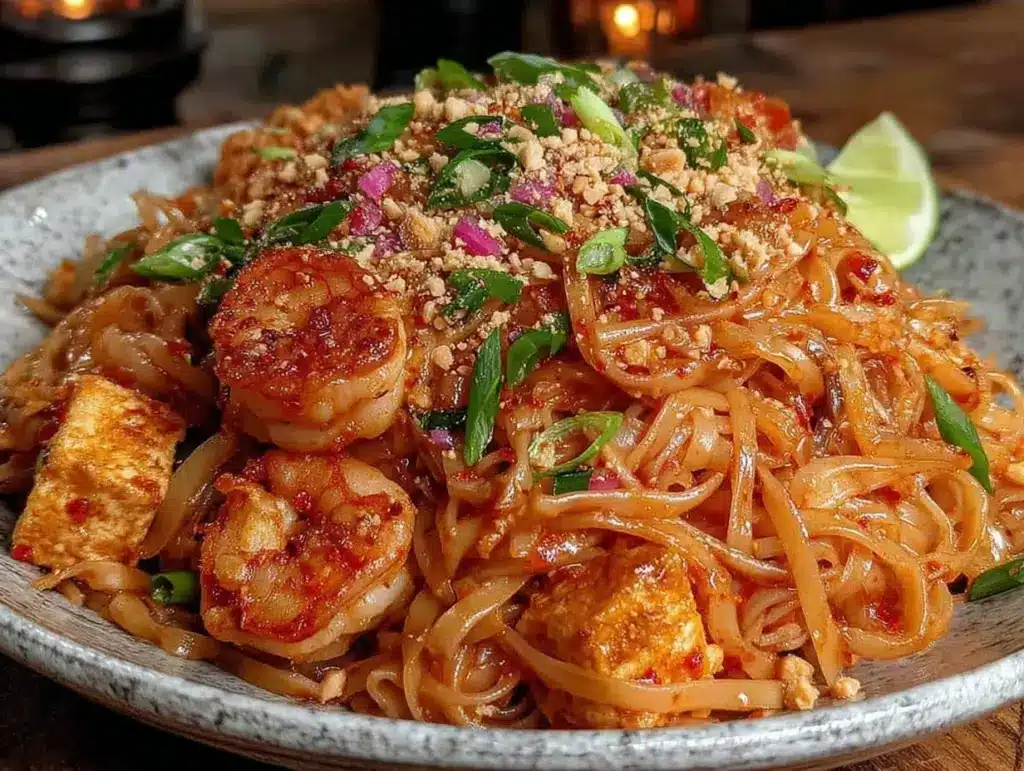
“Hey, have you ever tried making pad thai at home?” my neighbor asked me one humid Saturday afternoon. I shrugged, thinking it was one of those complicated dishes that required a pantry full of mysterious sauces and exotic ingredients. But that casual question stuck with me, especially after the scent of tamarind and garlic from her kitchen drifted through the open window. Honestly, I was skeptical—could I really capture that vibrant street food magic in my own tiny kitchen?
Fast forward a week, I found myself rummaging through my fridge, pulling out rice noodles, eggs, and a jar of peanut butter that was probably a year old. One part stubbornness, two parts curiosity, and a pinch of impatience later, I whipped up what became my go-to flavorful authentic pad thai recipe for homemade delight. It wasn’t perfect the first time—more like a happy accident that turned into a staple. And I’ve made it so many times since, tweaking each batch, that the sizzling sound of stir-frying rice noodles now feels like a comforting soundtrack to my evenings.
What really sealed the deal was that moment when I sat down, fork in hand, and realized this dish wasn’t just easy to make—it was a genuine crowd-pleaser, bursting with layers of tang, sweet, and savory that felt surprisingly close to the street stalls I’d craved. No elaborate prep or hard-to-find ingredients, just pure, honest flavor in under 30 minutes. And that’s why this pad thai recipe stuck with me—it’s my little homemade delight that turns any regular dinner into something to savor.
Why You’ll Love This Recipe
This flavorful authentic pad thai recipe has become a trusted favorite in my kitchen, and here’s why it might just become yours too:
- Quick & Easy: Ready in 30 minutes or less, perfect for hectic weeknights or last-minute dinner plans.
- Simple Ingredients: Uses pantry staples and fresh produce you can find anywhere—no specialty Asian markets required.
- Perfect for Any Occasion: Whether you’re cooking for family dinners or casual get-togethers, this dish fits right in.
- Crowd-Pleaser: The balance of tangy tamarind, savory fish sauce, and crunchy peanuts gets rave reviews from everyone, especially those picky eaters who usually avoid noodles.
- Unbelievably Delicious: The combination of soft noodles, crisp bean sprouts, and a hint of heat hits that perfect comfort food note without feeling heavy.
What sets this pad thai apart from others? It’s the way I blend fresh lime juice with a homemade tamarind sauce, avoiding store-bought shortcuts that tend to taste artificial. Plus, lightly toasting the peanuts and adding a touch of palm sugar (or brown sugar in a pinch) makes a subtle but real difference. This isn’t just a quick meal; it’s a recipe refined through trial, error, and late-night cravings that finally got it right.
Honestly, it’s the kind of dish that makes you pause, close your eyes after the first bite, and feel that warm satisfaction of something truly homemade. It’s comfort food with soul—perfectly balanced, incredibly easy, and always a little celebration on your plate.
What Ingredients You Will Need
This recipe’s magic lies in its straightforward, wholesome ingredients that pack bold flavor and deliver that authentic pad thai experience without fuss. Most are pantry staples or easy to find fresh at your local market.
- Rice noodles (8 oz / 225 g, flat and about 1/4 inch wide) – The star of the dish. Soak rather than boil for the perfect chewy texture.
- Vegetable oil or peanut oil (3 tbsp) – For stir-frying, choose a neutral oil with a high smoke point.
- Eggs (2 large, room temperature) – Adds richness and body to the dish.
- Garlic (3 cloves, minced) – Fresh and pungent, the foundation of flavor.
- Firm tofu (7 oz / 200 g, pressed and cubed) – Traditional option; you can swap shrimp or chicken for variety.
- Bean sprouts (1 cup, fresh) – Adds crispness and freshness.
- Green onions (3 stalks, sliced) – For a mild onion flavor and color contrast.
- Roasted peanuts (1/4 cup, chopped) – Toasted for crunch and nuttiness; I like using Planters for consistency.
- Fresh lime (1, cut into wedges) – To squeeze over the finished dish for that bright, tart finish.
- For the sauce:
- Tamarind paste (2 tbsp) – The authentic sour note; look for brands like Mae Ploy for best results.
- Fish sauce (3 tbsp) – Adds umami depth; substitute soy sauce for vegetarian friends.
- Palm sugar (2 tbsp) or brown sugar – Balances sour and salty with sweetness.
- Rice vinegar (1 tbsp) – Light acidity to round out the sauce.
- Red chili flakes (1 tsp, adjustable) – For a gentle kick; omit or reduce if you prefer mild.
Seasonal swaps work great here—during summer, fresh herbs like cilantro or Thai basil add an extra layer of flavor. For gluten-free versions, double-check your fish sauce and tamarind paste labels, or try a gluten-free soy sauce instead. This mix of ingredients creates a balanced sauce that’s tangy, sweet, salty, and just spicy enough, making this pad thai recipe truly authentic and satisfying.
Equipment Needed
- Large wok or non-stick skillet: A wok is ideal for high-heat stir-frying and tossing noodles evenly. If you don’t have one, a wide, heavy-bottomed skillet works just fine.
- Mixing bowls: For soaking noodles and mixing the sauce.
- Measuring spoons and cups: Precise measurements keep the sauce balanced every time.
- Sharp knife and cutting board: For prepping garlic, green onions, and tofu.
- Spatula or wooden spoon: For stirring without breaking noodles.
If you’re budget-conscious, a trusty non-stick skillet is a great start—just be sure to preheat it well to mimic that wok heat. I’ve found that my trusty carbon steel wok handles heat beautifully but requires seasoning and care to keep it non-stick. For easier cleanup, lining your prep area with parchment paper during chopping saves time.
Preparation Method
-
Soak the rice noodles: Place 8 oz (225 g) of dried rice noodles in a large bowl and cover with warm water for 10-15 minutes until pliable but not mushy. Drain and set aside.
Tip: Avoid boiling noodles directly as they can become too soft and clump together.
-
Prepare the sauce: In a small bowl, whisk together 2 tbsp tamarind paste, 3 tbsp fish sauce, 2 tbsp palm sugar or brown sugar, 1 tbsp rice vinegar, and 1 tsp red chili flakes. Taste for balance—adjust sweetness or sourness as you prefer.
-
Cook the tofu: Heat 1 tbsp vegetable oil in your wok over medium-high heat. Add 7 oz (200 g) cubed, pressed tofu and cook for 3-4 minutes, turning occasionally until golden on all sides. Remove tofu and set aside.
-
Scramble the eggs: Add another tablespoon of oil to the wok. Crack in 2 large eggs and scramble quickly until just set but still moist. Push eggs to one side of the wok.
-
Sauté garlic: In the same wok, add remaining 1 tbsp oil and sauté 3 minced garlic cloves until fragrant—about 30 seconds. Be careful not to burn.
-
Combine noodles and sauce: Add drained noodles to the wok, pour the sauce over, and toss gently with a spatula. Keep the heat high to allow noodles to absorb the sauce evenly—about 2-3 minutes.
Note: The noodles should be glossy and slightly sticky but not mushy.
-
Add tofu and vegetables: Return the cooked tofu to the wok along with 1 cup fresh bean sprouts and 3 sliced green onions. Toss everything together for another minute just to warm through.
-
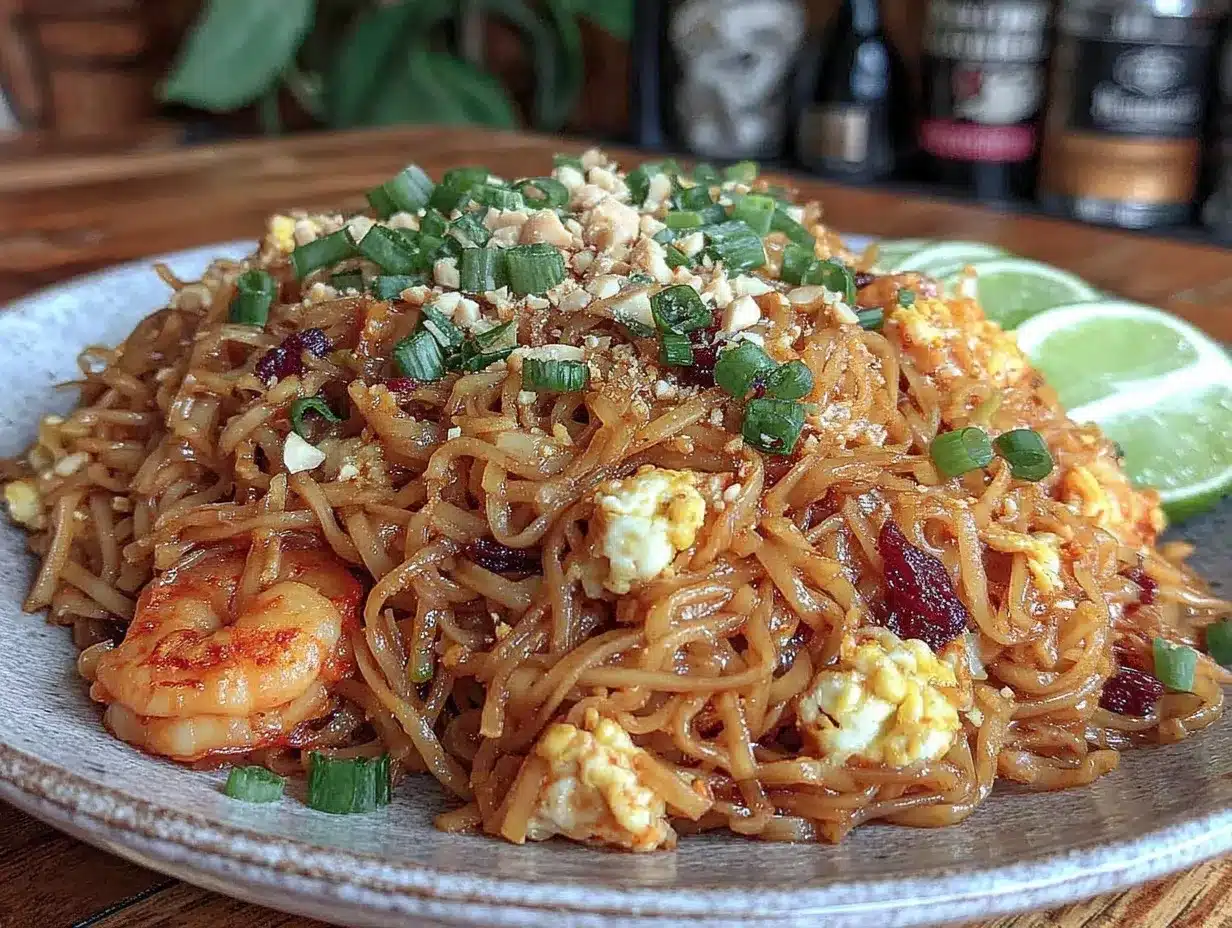
Finish and serve: Transfer to plates and sprinkle with 1/4 cup chopped roasted peanuts. Serve immediately with lime wedges on the side.
In my experience, timing is everything here—keeping the heat high and moving quickly prevents sogginess. Sometimes I add a splash of water or broth if the noodles start sticking, but usually, the right soak and stir are enough. It’s a fast, lively process that rewards your attention.
Cooking Tips & Techniques
When making this pad thai recipe, a few tricks from my kitchen can save you from common pitfalls:
- Don’t over-soak noodles: They should still have a bit of bite since they’ll cook further in the wok. Over-soaked noodles turn mushy fast.
- Use high heat: Authentic pad thai gets that slightly smoky flavor from quick, hot stir-frying. A preheated wok or pan is your best friend here.
- Prep everything first: The stir-fry moves fast! Have sauce, veggies, and proteins ready before heating the pan.
- Balance your sauce: Taste before cooking. Tamarind paste varies in intensity, so adjust sugar or fish sauce to suit your palate.
- Don’t crowd the pan: If you’re making a larger batch, stir-fry in batches to keep ingredients crisp and noodles separate.
I learned the hard way that burnt garlic kills the whole dish’s flavor, so I keep a close eye during that step now. Also, swapping tofu for peeled shrimp (cooked separately) is a personal favorite when I want to impress guests without stress—much like the ease you get with the fresh shrimp salad appetizers with creamy herb dressing I sometimes serve alongside.
Variations & Adaptations
This pad thai recipe is flexible enough to fit different tastes and dietary needs:
- Protein swaps: Use chicken strips, shrimp, or keep it vegetarian with extra firm tofu or tempeh.
- Vegetarian/Vegan: Replace fish sauce with tamari or soy sauce and omit eggs or use scrambled tofu.
- Gluten-free: Confirm your fish sauce and tamarind paste are gluten-free, or use coconut aminos as a substitute.
- Spice level: Add fresh sliced Thai chilies or increase chili flakes for more heat, or tone it down by reducing them.
- Seasonal veggies: Toss in shredded carrots, bell peppers, or snap peas for color and crunch.
One version I tried recently swapped peanuts for crushed cashews, adding a buttery note that paired surprisingly well. It reminded me a bit of the nutty flavors in the zesty garlic marinated mushrooms I love for an appetizer—both bring that satisfying crunch and depth to the table.
Serving & Storage Suggestions
Pad thai is best served immediately while noodles are tender and the peanuts stay crunchy. I like to plate it with lime wedges for squeezing and extra bean sprouts on the side for freshness.
This dish pairs wonderfully with light Asian-inspired sides like a crisp cucumber salad or simply some steamed greens. For drinks, a cold jasmine tea or a crisp lager complements the tangy, savory flavors nicely.
Leftovers can be stored in an airtight container in the refrigerator for up to 2 days. Reheat gently in a skillet over medium heat, adding a splash of water to loosen the noodles and revive that stir-fried texture. Avoid the microwave if you want to keep it tasting fresh.
Flavors tend to meld after resting, making leftover pad thai even more flavorful the next day—though the bean sprouts will lose their crunch, so I usually add fresh ones when serving leftovers.
Nutritional Information & Benefits
This flavorful authentic pad thai recipe offers a balanced meal with carbohydrates from rice noodles, protein from tofu or shrimp, and healthy fats from peanuts and oils. A typical serving provides approximately 450-550 calories depending on protein choice.
The tamarind paste adds antioxidants and vitamin C, while garlic and lime juice contribute immune-boosting properties. Peanuts bring heart-healthy monounsaturated fats and protein, making this dish both nourishing and satisfying.
For those mindful of dietary restrictions, this recipe can easily be adapted to gluten-free and vegan preferences, making it a versatile option for many households. Personally, I appreciate how it fits into a realistic, health-conscious lifestyle without feeling like deprivation or fuss.
Conclusion
This flavorful authentic pad thai recipe has become one of those dishes I return to when I want dinner that’s quick, satisfying, and just a little special. It’s a meal that invites customization and welcomes creativity, whether you’re cooking solo or feeding a crowd.
What I love most is how approachable it feels now—no exotic mystery ingredients, just familiar flavors crafted with a little care. I hope you find the same joy in making it as I do, whether it’s your first try or your tenth.
Don’t hesitate to tweak the sauce or swap proteins based on your cravings. And if you want to pair it with a simple homemade side, the creamy cheese-stuffed cherry tomatoes from my party appetizer collection always impress guests without extra stress.
Give it a go, share your experiences, and let this pad thai recipe bring a bit of homemade delight to your table.
FAQs
- Can I make pad thai without tamarind paste?
You can substitute with a mix of lime juice and a bit of brown sugar, but it won’t have the same authentic tang. Tamarind paste is worth seeking out for the real deal. - How do I prevent the noodles from sticking together?
Soak the rice noodles properly in warm water and stir-fry quickly over high heat without overcrowding the pan. - What’s a good vegetarian alternative to fish sauce?
Use soy sauce or tamari for a similar salty depth without animal products. - Can I prepare pad thai ahead of time?
You can prep sauce and chop ingredients ahead, but it’s best cooked fresh. Leftovers reheat well but don’t replicate the fresh stir-fried texture perfectly. - Is it okay to use dried shrimp or shrimp paste?
Yes, dried shrimp adds authentic flavor, but it’s optional. Shrimp paste can be added sparingly to the sauce for deeper umami if you like.
Pin This Recipe!
Flavorful Authentic Pad Thai Recipe Easy Homemade Dinner in 30 Minutes

This flavorful authentic pad thai recipe is quick and easy to make at home, using simple ingredients to create a tangy, sweet, and savory dish that captures the vibrant street food magic in under 30 minutes.
- Prep Time: 15 minutes
- Cook Time: 15 minutes
- Total Time: 30 minutes
- Yield: 4 servings 1x
- Category: Main Course
- Cuisine: Thai
Ingredients
- 8 oz (225 g) flat rice noodles, about 1/4 inch wide
- 3 tbsp vegetable oil or peanut oil
- 2 large eggs, room temperature
- 3 cloves garlic, minced
- 7 oz (200 g) firm tofu, pressed and cubed (or shrimp/chicken as alternatives)
- 1 cup fresh bean sprouts
- 3 stalks green onions, sliced
- 1/4 cup roasted peanuts, chopped
- 1 fresh lime, cut into wedges
- For the sauce:
- 2 tbsp tamarind paste
- 3 tbsp fish sauce (or soy sauce for vegetarian)
- 2 tbsp palm sugar or brown sugar
- 1 tbsp rice vinegar
- 1 tsp red chili flakes (adjustable)
Instructions
- Soak the rice noodles in warm water for 10-15 minutes until pliable but not mushy. Drain and set aside.
- In a small bowl, whisk together tamarind paste, fish sauce, palm sugar or brown sugar, rice vinegar, and red chili flakes. Adjust sweetness or sourness to taste.
- Heat 1 tbsp vegetable oil in a wok or large skillet over medium-high heat. Add cubed tofu and cook for 3-4 minutes until golden on all sides. Remove tofu and set aside.
- Add another tablespoon of oil to the wok. Crack in eggs and scramble quickly until just set but still moist. Push eggs to one side of the wok.
- Add remaining 1 tbsp oil and sauté minced garlic for about 30 seconds until fragrant, being careful not to burn.
- Add drained noodles to the wok, pour the sauce over, and toss gently with a spatula over high heat for 2-3 minutes until noodles absorb the sauce and become glossy but not mushy.
- Return cooked tofu to the wok along with bean sprouts and sliced green onions. Toss everything together for another minute to warm through.
- Transfer to plates, sprinkle with chopped roasted peanuts, and serve immediately with lime wedges on the side.
Notes
Do not over-soak noodles to avoid mushiness. Use high heat and preheat your wok or pan for authentic smoky flavor. Prepare all ingredients before cooking as stir-frying moves quickly. Adjust sauce balance to taste. Avoid overcrowding the pan to keep ingredients crisp. For vegan version, replace fish sauce with tamari or soy sauce and omit eggs or use scrambled tofu. Leftovers keep well refrigerated for up to 2 days and reheat best in a skillet with a splash of water.
Nutrition
- Serving Size: 1 plate (approximate
- Calories: 500
- Sugar: 8
- Sodium: 900
- Fat: 22
- Saturated Fat: 3.5
- Carbohydrates: 55
- Fiber: 3
- Protein: 18
Keywords: Pad Thai, authentic pad thai, homemade pad thai, easy pad thai recipe, Thai noodles, stir-fry noodles, vegetarian pad thai, gluten-free pad thai