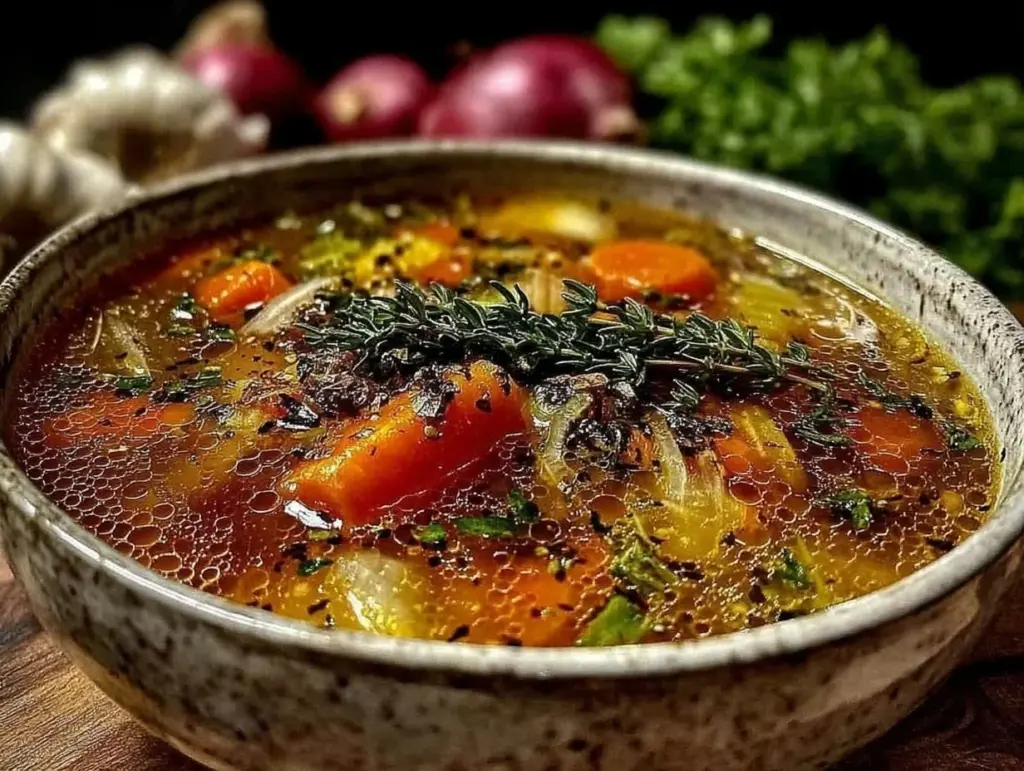
“You really don’t have to toss those veggie scraps,” my friend joked, peering suspiciously at the growing pile of carrot peels, onion skins, and celery ends on my kitchen counter. Honestly, I was skeptic at first—why bother saving bits that usually end up in the trash? But after a chaotic week where I barely had time to think, let alone grocery shop, I found myself scrambling for something comforting and nourishing. That’s when this zero waste vegetable broth became my quiet little kitchen hero.
The earthy aroma filling my kitchen as the broth simmered was oddly grounding. It wasn’t fancy or flashy, but it had this deep, rich flavor that felt like a hug after a long day. I started saving scraps almost automatically after that, turning what once felt like waste into something truly worthwhile. This broth stuck with me because it’s simple, responsible, and honestly, it tastes far better than store-bought versions I’ve tried. It’s a quiet reminder that sustainable cooking doesn’t mean sacrificing flavor—or effort.
Plus, there’s something satisfying about knowing every bit of produce I buy is being used, not wasted. This wholesome zero waste vegetable broth isn’t just about saving money or reducing trash; it’s about crafting a kitchen habit that feels mindful and rewarding every time the pot bubbles gently on the stove. It’s the kind of recipe that makes you want to slow down, pay attention, and appreciate the small things. That’s why I keep coming back to it, especially when I’m juggling a busy schedule and need something nourishing without the fuss.
Why You’ll Love This Recipe
This wholesome zero waste vegetable broth recipe has quietly become a kitchen staple that I swear by for many reasons. It’s tested, trusted, and genuinely easy to make, even when life’s chaos tries to take over.
- Quick & Easy: The broth simmers gently for about an hour, but prepping the veggie scraps takes just minutes—perfect for busy days and last-minute soups or stews.
- Simple Ingredients: No need for specialty items. You’re basically using what you’d throw out anyway—onion skins, carrot ends, celery leaves—making it a true pantry staple with a twist.
- Perfect for Sustainable Cooking: This broth aligns perfectly with a zero waste lifestyle, helping you minimize kitchen waste while adding authentic flavor to your meals.
- Crowd-Pleaser: Whether you’re making a cozy pot of soup or a hearty risotto, this broth brings out the best in your dishes, winning over both kids and adults alike.
- Unbelievably Delicious: The slow simmer pulls out a deep, layered flavor that’s richer than your average store-bought broth, with a fresh, homemade touch.
What really sets this recipe apart is its flexibility and heart. I often tweak the veggie scraps depending on what’s on hand—sometimes adding a bay leaf or a splash of apple cider vinegar to brighten things up. It’s not just broth; it’s a small kitchen ritual that feels good for both the planet and my soul. Plus, when I’m prepping a crowd, I rely on this broth as the base for recipes like fresh shrimp salad appetizers or a comforting stew, knowing the broth will carry the dish effortlessly.
What Ingredients You Will Need
This recipe uses simple, wholesome ingredients that bring bold flavor and satisfying texture without fuss. The best part? Most of these are pantry staples or veggie scraps you’d otherwise toss.
- Vegetable Scraps: onion skins, carrot ends, celery leaves, mushroom stems, garlic skins (these form the broth’s flavorful base)
- Whole Vegetables: 1 large onion, quartered (adds sweetness and depth), 2 carrots, chopped (for body and natural sweetness), 2 celery stalks, chopped (adds earthiness)
- Herbs & Aromatics: 2 bay leaves (classic aromatic), 5-6 black peppercorns (for subtle spice), a few sprigs of fresh thyme or rosemary (optional but lovely for fragrance)
- Seasoning: 1 teaspoon sea salt (adjust later to taste)
- Water: 12 cups (about 3 liters), enough to cover everything comfortably in the pot
- Optional Boosters: splash of apple cider vinegar (helps extract minerals and brightens the flavor), a small piece of kombu seaweed (adds umami and nutrients, but optional)
For best results, I recommend using organic or locally sourced vegetables when possible, especially for the scraps, since they’re the backbone of the broth’s flavor. When I can, I save scraps from meals like my zesty garlic marinated mushrooms, which add a nice umami kick. If you’re aiming for gluten-free broth, steer clear of any added soy sauce or processed flavorings. This recipe is naturally gluten-free and vegan, making it a versatile kitchen hero.
Equipment Needed
- Large Stockpot or Dutch Oven: At least 6-quart (5.7 liters) capacity to hold all the veggies and water comfortably. I find that a heavy-bottomed pot distributes heat evenly and avoids scorching.
- Fine Mesh Strainer or Cheesecloth: For straining the broth to get a clear, smooth result. Cheesecloth gives a cleaner pour but a fine mesh strainer is more budget-friendly.
- Cutting Board and Knife: For chopping whole veggies and trimming scraps.
- Large Bowl or Container: To collect and store vegetable scraps ahead of time. I keep a zip-top bag in the freezer to stash scraps until I have enough.
- Wooden Spoon or Ladle: To stir and serve the broth.
If you don’t have a Dutch oven, a heavy pot works just fine—just keep an eye on the simmer to avoid burning. For straining, I personally like using reusable nut milk bags to reduce waste further, but a simple mesh sieve is totally fine. Keeping your tools clean and dry after each use keeps them lasting longer, especially if you’re making broth regularly like I do.
Preparation Method
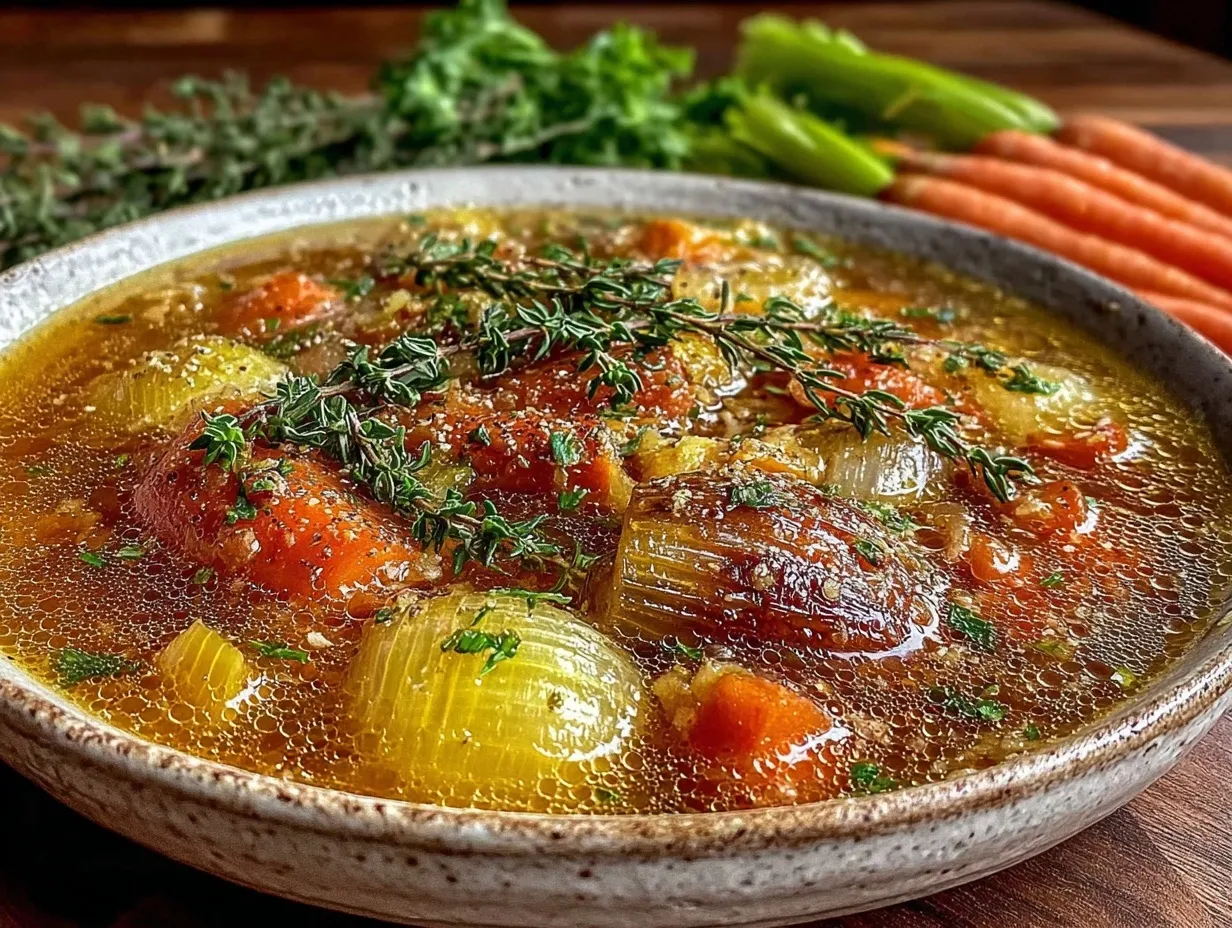
- Collect and Prepare Your Veggie Scraps: Rinse all scraps briefly to remove dirt or grit. Avoid anything slimy or moldy. If you don’t have enough scraps, supplement with fresh veggies like onion quarters, carrot chunks, and celery pieces. (Prep time: 5-10 minutes)
- Chop Whole Vegetables: Roughly chop the onion, carrots, and celery. No need for fine cuts since everything will be strained out later. (Prep time: 5 minutes)
- Combine Ingredients in Pot: Place all scraps, chopped veggies, herbs, peppercorns, and optional kombu into your stockpot. Pour in 12 cups (3 liters) of cold water, enough to cover everything by about an inch.
- Bring to a Gentle Boil: Set the pot over medium-high heat and bring to a boil. Once boiling, reduce heat to low to maintain a gentle simmer. (Time: about 10-15 minutes to boil)
- Simmer Slowly: Let the broth simmer uncovered for 45-60 minutes. This slow simmer extracts flavors without bitterness. Stir occasionally to keep scraps from sticking. (Tip: If water level drops too much, add a splash more water.)
- Season and Add Vinegar: About 10 minutes before finishing, add salt and a splash (1-2 tablespoons) of apple cider vinegar. This step helps pull minerals from the veggies and brightens flavor.
- Strain the Broth: Using a fine mesh strainer lined with cheesecloth (if available), strain the broth into a large bowl or pot. Press down on solids gently to extract as much liquid as possible. Discard or compost the solids.
- Cool and Store: Let the broth cool to room temperature before refrigerating. It keeps well for up to 5 days in the fridge or 3 months in the freezer. (Tip: Freeze in ice cube trays for small portions.)
One thing I’ve learned is not to rush the simmer—patience really pays off in flavor here. Also, avoid over-salting early on; you can always adjust seasoning when you use the broth later in your recipes. If you notice any off smells during simmering, it’s likely some scraps were too old—freshness matters more than you might think!
Cooking Tips & Techniques
Making a zero waste vegetable broth isn’t complicated, but a few tricks can make a big difference in the final taste and texture.
- Save Scraps Over Time: I keep a dedicated container in my freezer for scraps. Once it’s full, I make broth. This habit reduces food waste and means you’re never scrambling for ingredients.
- Avoid Overcooking: Simmering too long can result in bitter flavors, especially from onion skins or celery leaves. Stick to about an hour for best results.
- Don’t Salt Too Early: Adding salt at the start can concentrate the flavors too much. Season lightly near the end or when using the broth in other dishes.
- Use Cold Water: Starting with cold water helps draw out flavors slowly and evenly, creating a richer broth.
- Choose Fresh Scraps: Avoid any scraps with signs of spoilage or mold. Freshness really impacts clarity and flavor.
- Multi-Task: While your broth simmers, you can prep other ingredients or even whip up an easy appetizer like creamy cheese stuffed cherry tomatoes.
I once over-simmered a batch and ended up with a slightly bitter broth. Lesson learned: keep an eye on your pot and trust your nose. Also, I find adding a little apple cider vinegar at the right time really lifts the flavor, making your broth taste homemade and fresh.
Variations & Adaptations
This broth is a canvas—feel free to tailor it to your kitchen and taste preferences.
- Seasonal Variations: In fall and winter, toss in parsnip peels, fennel tops, or roasted garlic scraps for a deeper, heartier flavor. Spring and summer scraps like fresh peas or herbs add a bright note.
- Flavor Twists: Try adding ginger slices or lemongrass for an Asian-inspired broth, perfect for soups or rice dishes.
- Dietary Adaptations: This broth is naturally vegan and gluten-free. For a richer broth, some add a splash of tamari or nutritional yeast during simmering, but keep in mind this adds salt and flavor intensity.
- Cooking Method Adjustments: Pressure cook your broth for 30 minutes to speed up the process without sacrificing flavor. Just be careful when releasing pressure to avoid splattering.
- Personal Favorite: I like to add a handful of dried porcini mushroom stems for that earthy umami kick—makes a great base for mushroom risotto or savory stews.
Serving & Storage Suggestions
This broth works beautifully as a base for so many dishes, from soups and stews to grains and sauces. Serve it warm as a simple sip on chilly days, or use it to infuse flavor into your favorite recipes.
- Serving Temperature: Best served warm or hot, but it’s also excellent chilled as a light, savory drink.
- Presentation: A clear glass bowl or mug showcases the golden color nicely. Garnish with fresh herbs or a sprinkle of cracked pepper if serving as a broth.
- Complementary Dishes: Try pairing it with crusty bread or alongside a vibrant salad. It also works wonders in recipes like festive cranberry cream cheese spread for an easy party appetizer.
- Storage: Store broth in airtight containers in the refrigerator for up to 5 days or freeze for up to 3 months. Ice cube trays are handy for freezing small portions.
- Reheating: Gently reheat on the stove or microwave. Avoid boiling to preserve flavor.
- Flavor Development: Broth flavors deepen and mellow after a day in the fridge, so making it a day ahead can really boost your dishes.
Nutritional Information & Benefits
This zero waste vegetable broth is low in calories but packed with nutrients extracted from the vegetable scraps—fiber, vitamins, and minerals gently infused into the broth.
- Estimated calories: About 20-30 calories per cup (240 ml)
- Rich in antioxidants and vitamins A, C, and K from the veggies
- Hydrating and soothing, great for digestion and light on the stomach
- Gluten-free, vegan, and free from additives or preservatives
- A nourishing base that supports mindful, sustainable eating habits
From a wellness perspective, making your own broth means you avoid excess sodium, artificial flavors, and can control exactly what goes in. It’s a small but meaningful step toward cleaner, healthier cooking.
Conclusion
This wholesome zero waste vegetable broth is more than just a kitchen shortcut; it’s a quiet kitchen ritual that turns scraps into something soulful. Whether you’re juggling a busy week or simply want to cook more sustainably, this broth offers a nourishing, flavorful base that fits into any lifestyle.
Feel free to tweak the veggies and herbs to match what’s on hand—it’s forgiving and flexible. I love knowing I’m making a difference in my kitchen waste while enjoying a broth that tastes far better than anything store-bought. Plus, it pairs beautifully with dishes like creamy spinach artichoke dip when hosting friends, showing that sustainability and flavor can happily coexist.
Give this recipe a try and see how it quietly transforms your cooking routine. I’d love to hear how you make it your own or what scraps you save!
FAQs
Can I use any vegetable scraps for this broth?
Most veggies work well, especially onion skins, carrot ends, celery leaves, and mushroom stems. Avoid bitter or strong-flavored scraps like broccoli or Brussels sprouts to keep the broth balanced.
How long does homemade vegetable broth last in the fridge?
Stored in an airtight container, it lasts about 5 days. For longer storage, freeze in portions and use within 3 months.
Is it necessary to strain the broth through cheesecloth?
No, a fine mesh strainer works fine, but cheesecloth helps catch finer bits for a clearer broth.
Can I make this broth in a slow cooker or Instant Pot?
Yes! Slow cookers can simmer the broth for 4-6 hours on low. Instant Pots reduce cooking time to about 30 minutes under pressure.
What’s the best way to store vegetable scraps for broth?
Keep a sealed container or bag in your freezer and add scraps as you go. This prevents spoilage and keeps them fresh until you’re ready to make broth.
Pin This Recipe!
Wholesome Zero Waste Vegetable Broth Recipe for Easy Sustainable Cooking

A simple, sustainable vegetable broth made from saved veggie scraps and whole vegetables, simmered slowly to extract deep, rich flavors. Perfect for reducing kitchen waste while adding authentic homemade flavor to your meals.
- Prep Time: 10-15 minutes
- Cook Time: 1 hour
- Total Time: 1 hour 15 minutes
- Yield: About 12 cups (3 quarts) 1x
- Category: Soup Base
- Cuisine: Universal
Ingredients
- Vegetable scraps: onion skins, carrot ends, celery leaves, mushroom stems, garlic skins
- 1 large onion, quartered
- 2 carrots, chopped
- 2 celery stalks, chopped
- 2 bay leaves
- 5–6 black peppercorns
- A few sprigs of fresh thyme or rosemary (optional)
- 1 teaspoon sea salt (adjust to taste)
- 12 cups (3 liters) cold water
- Splash of apple cider vinegar (optional)
- Small piece of kombu seaweed (optional)
Instructions
- Rinse all vegetable scraps briefly to remove dirt or grit. Avoid any slimy or moldy scraps. Supplement with fresh veggies if needed.
- Roughly chop the onion, carrots, and celery.
- Place all scraps, chopped veggies, herbs, peppercorns, and optional kombu into a large stockpot.
- Pour in 12 cups (3 liters) of cold water, covering everything by about an inch.
- Bring the pot to a gentle boil over medium-high heat, then reduce heat to low to maintain a gentle simmer.
- Simmer uncovered for 45-60 minutes, stirring occasionally. Add water if level drops too much.
- About 10 minutes before finishing, add salt and a splash (1-2 tablespoons) of apple cider vinegar.
- Strain the broth through a fine mesh strainer lined with cheesecloth into a large bowl or pot, pressing solids gently to extract liquid.
- Discard or compost the solids.
- Let the broth cool to room temperature before refrigerating. Store in airtight containers for up to 5 days in the fridge or freeze for up to 3 months.
Notes
Avoid overcooking to prevent bitterness, especially from onion skins and celery leaves. Add salt near the end to avoid concentrating flavors too much. Use cold water to extract flavors slowly. Freshness of scraps is important to avoid off smells. Freeze broth in ice cube trays for small portions. Optional additions like bay leaves, apple cider vinegar, and kombu enhance flavor and nutrition.
Nutrition
- Serving Size: 1 cup (240 ml)
- Calories: 2030
- Sugar: 2
- Sodium: 150
- Carbohydrates: 4
- Fiber: 1
- Protein: 1
Keywords: vegetable broth, zero waste, sustainable cooking, homemade broth, vegan broth, gluten-free broth, vegetable scraps, easy broth recipe